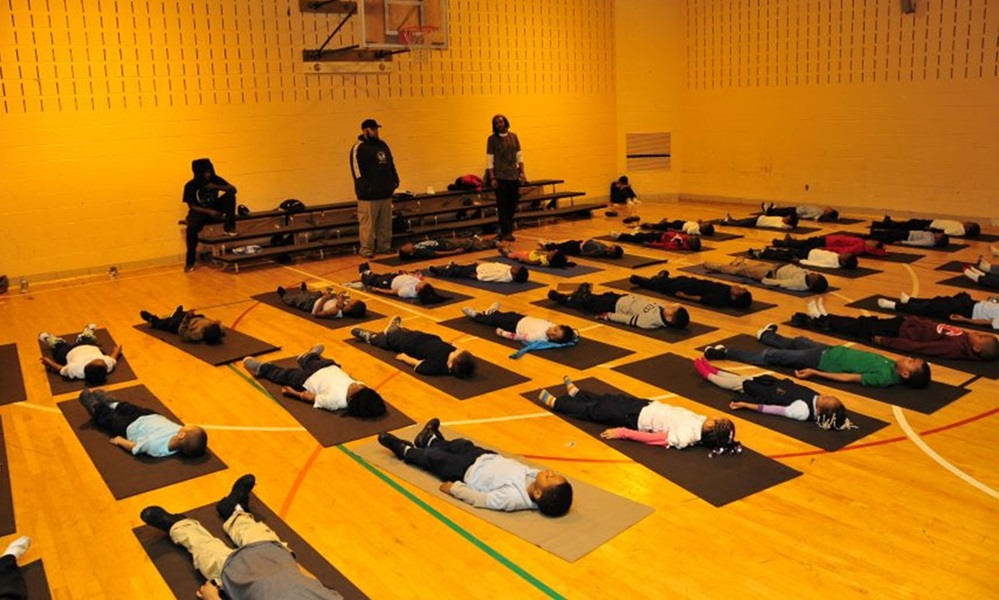
Across Australia, educators are being asked to do more than ever before. Teachers and school leaders are supporting students with increasingly complex social, emotional and behavioural needs, while also navigating curriculum demands, workforce pressures and system-wide reform. In this context, wellbeing is no longer an optional extra. It is foundational to learning, staff retention and long-term educational outcomes.
Trauma-informed practice has become central to education conversations because it reflects what teachers see every day: students do not leave their experiences at the school gate. Stress, adversity and trauma directly influence attention, behaviour, emotional regulation and learning readiness. The same is true for educators themselves.
‘When educators understand how stress affects the brain and nervous system, they gain practical ways to support learning, behaviour and wellbeing – for students and themselves.’ – Ali Smith
A professional learning experience
From 13-15 March, the Holistic Life Foundation (HLF) will host its Trauma-Informed Yoga and Mindfulness Certification in Melbourne at Mind Medicine Australia on St Kilda Road. The 3-day professional learning experience is designed specifically for teachers, school leaders and system-level decision makers seeking practical, evidence-aligned strategies that can be embedded into everyday school life.
Trauma-informed yoga and mindfulness are not about relaxation alone. Neuroscience research shows that gentle movement, breath awareness and attention training can help regulate the nervous system, supporting focus, emotional regulation and behavioural engagement. When delivered through a trauma-informed lens, these practices prioritise safety, choice and accessibility, ensuring they are appropriate for diverse classrooms.
For teachers, the benefits are immediate and practical. Participants learn short, adaptable practices that support classroom transitions, focus and emotional regulation without disrupting learning time. Many educators report improved classroom climate, fewer behavioural escalations and a greater sense of confidence in responding to student needs.
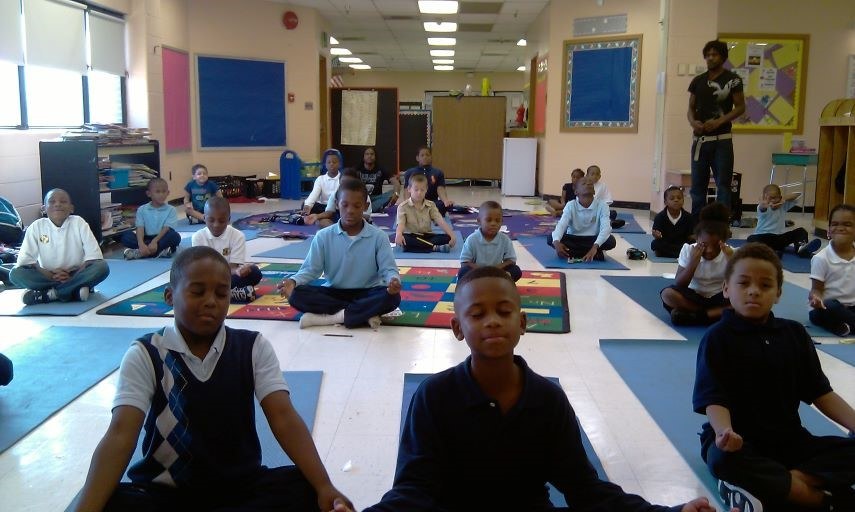
Practical tools to support learning
School leaders benefit from understanding how trauma-informed approaches can support whole-school wellbeing frameworks. Rather than operating as a standalone initiative, yoga and mindfulness can align with existing behaviour supports, inclusion strategies and staff wellbeing priorities.
At a system level, trauma-informed practice offers a preventative approach to student and staff wellbeing. Building regulation, resilience and relational capacity reduces reliance on reactive interventions and supports long-term educational outcomes.
HLF brings more than 2 decades of experience delivering trauma-informed yoga and mindfulness programs in public schools and community settings. Its work is grounded in both lived experience and research, drawing on neuroscience, social and emotional learning and trauma-responsive education.
As Australian schools continue to prioritise wellbeing, trauma-informed yoga and mindfulness offer practical tools that support learning, inclusion and sustainability across education systems.
Register for the Melbourne certification
Educators, school leaders and system-level decision makers interested in attending the Trauma-Informed Yoga and Mindfulness Certification in Melbourne (13–15 March) can find full program details and registration information online.
Register here.
