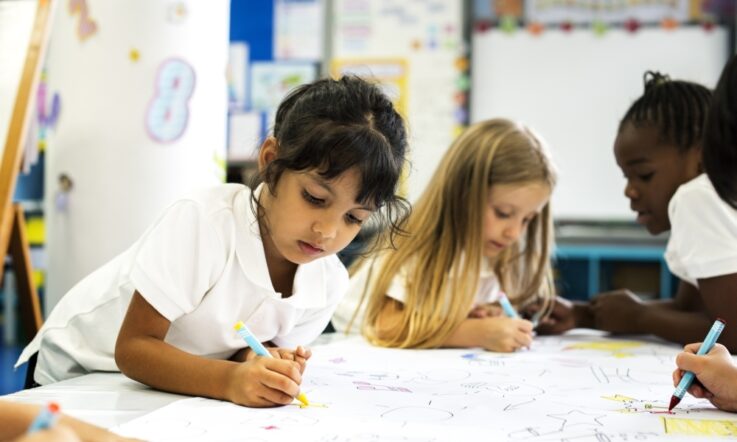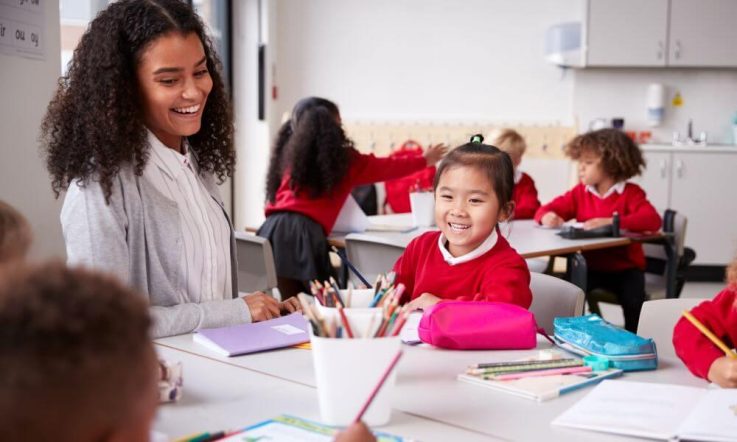
We know that belonging is an important psychological need linked strongly to our mental health and wellbeing (Russell, 2024). Ensuring students feel like they belong at school is also key during those first few weeks of the school year. So, how can school settings support students to feel a sense of belonging?
Associate Professor Kelly-Ann Allen from Monash University says patterns of belonging can form early in life and, in a recently published paper, she and colleagues Cassie Hudson and Bonnie Bozorg uncover some key factors that students in their first year of formal schooling say make them feel like they belong at school (Hudson et al, 2025).
‘My background is in early childhood, early intervention, and working in schools as a school psychologist,’ Associate Professor Allen tells Teacher. ‘That is where I first saw how important belonging is for students. I saw firsthand how it made a difference and how it was not always evenly distributed among students … I wanted to understand the building blocks of school belonging and make that knowledge available so any school can create an environment where children feel they belong.’
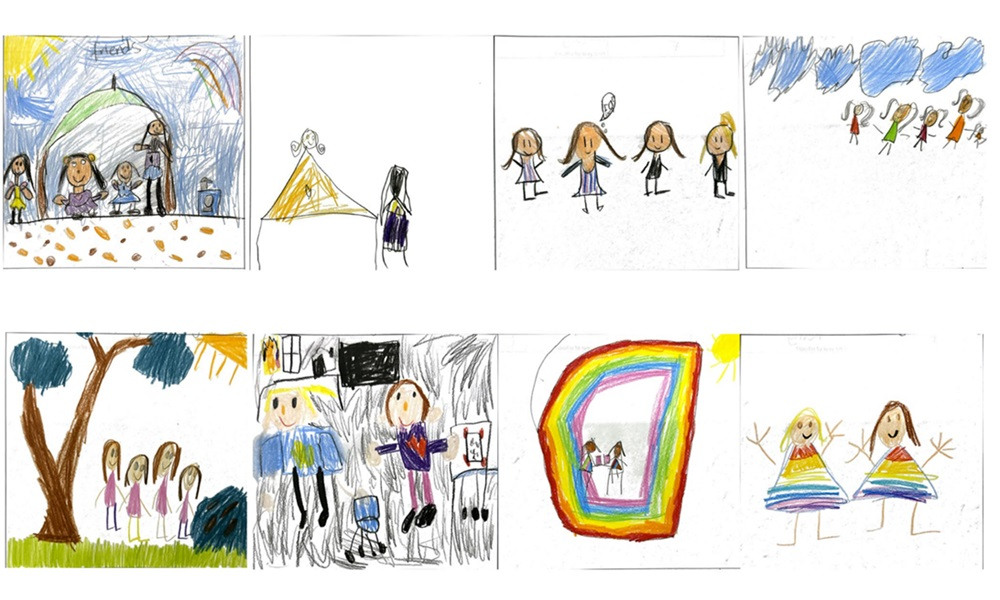
The research, published in the Early Childhood Education Journal, involved 108 children aged 5-7 drawing a picture in response to the prompt: ‘I feel like I belong to school when…’ and verbally describing their drawing.
‘People who feel disconnected later in life might have started forming those habits in their earliest school years,’ Associate Professor Allen says. ‘By focusing on that first year of formal schooling, we are really looking at how to set children up for a healthy transition, and to help contribute to positive perceptions about their belonging that they can carry with them into other settings and relationships.’
What were the findings?
Two central narratives emerged through analysis of the children’s explanations of their drawings. The first relates to children’s feeling of familiarity. This was depicted by 73% of children, and encompassed ideas like known places, routines, and people. Social engagement was the second central narrative, depicted by 43% of children, and encompassed formal and informal interactions with others.
The research team also observed 3 key subthemes: unstructured play (including social and solitary play), relationships (with peers and teachers/family members), and environment.

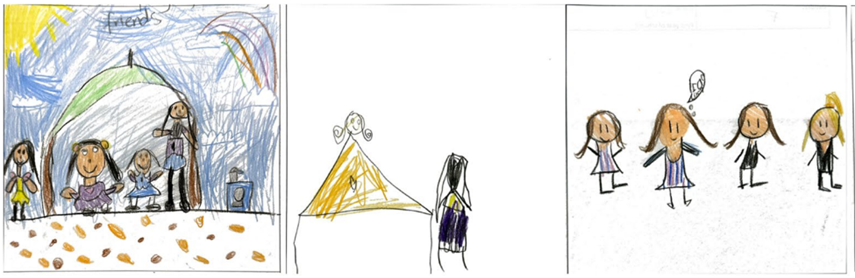
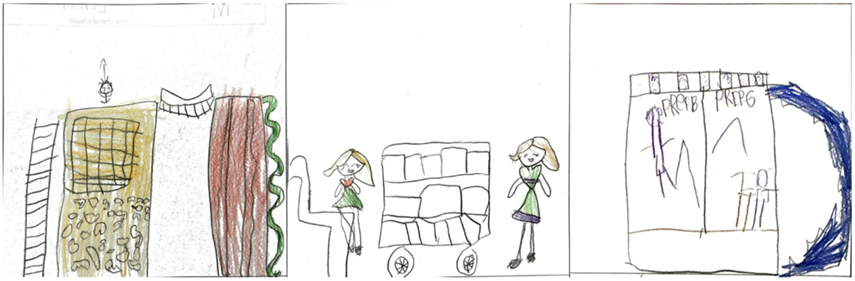
‘The biggest surprise for me was discovering that solitary play, not just playing with other children, was important for a sense of belonging,’ Associate Professor Allen tells Teacher. ‘It turns out that just the act of play, even on their own, could help build their school belonging.
‘We know that this connects to our developmental understandings of play at that age, but it really provided new evidence that a sense of belonging is not always about other people. Sometimes it is about that sense of enjoyment that builds belonging for young children or perhaps the sense of comfort and safety that children may feel in solitary play. Our research showed that belonging is not always about social interaction.’
Predictability, familiarity and routine
Many findings of this research could be used to help schools smooth the transition for students in their first year of formal schooling. For instance, Associate Professor Allen shares that this research reiterated the importance of predictability, familiarity and routine for young students.
‘Our research found that before children even step into school on that first day, they benefit from knowing what to expect, where their classroom will be, who their teacher is, and maybe even some familiar faces among their peers. And while that is especially important for the youngest students, it also applies at any age,’ she shares.
‘Allowing students to know what their day or timetable will look like could also help them with the familiarity with their routine. Some teachers will send welcome letters over the holidays; others make small booklets at the end of the year. Some schools offer a transition period for students. Those types of strategies help familiarise students and begin to build a sense of belonging before day one.
‘Some schools do this very well already, but it is not always consistent. The main message is that anything schools can do to build that sense of predictability is one of the most important things we found.’
The researcher adds that many schools are likely doing more to support student belonging than they realise.
‘The important message is that we all need to remember that belonging is a fundamental human need and should always be a priority. That means school leaders may benefit from thinking about the need to belong alongside other human needs. It is already compared to food, water, and safety.
‘So, could it be worth asking how belonging is catered for in the same way as other needs? And when educational decisions are made, could it be worth asking how that may impact students’ belonging?’
References
Hudson, C., Allen, K. Bozorg, B. (2025). Starting School in Australia: What Gives Young Children a Sense of School Belonging? Early Childhood Education Journal, 1-18. https://doi.org/10.1007/s10643-025-01979-8
Russell, D. (2024, May 16). The Research Files Episode 91: The long-term impacts of a sense of school belonging on mental health [Audio podcast episode]. Teacher magazine. https://www.teachermagazine.com/au_en/articles/the-research-files-episode-91-the-long-term-impacts-of-a-sense-of-school-belonging-on-mental-health
This research found that students benefit from knowing what to expect at school, where their classroom will be, who their teacher and peers are, before school begins.
What information is currently provided to students at your school before the start of the new school year? Is there an opportunity to provide students with additional information to support their sense of predictability? Have you asked students what information they’d like to have?