The beginning of a new school year is often front of mind when we think about establishing classroom routines, but this work is beneficial across terms. In today’s article, Anna Brady – principal at autism-specific school Aspect Vern Barnett School – shares how each term begins with a deliberate re‑establishment of routines, expectations and supports, and the positive impact this work has on students.
Starting a new term can be a significant moment for students. For Autistic students, changes in routine, environment and expectations can increase uncertainty and anxiety if not carefully supported. As school leaders, we know that how students experience transitions has a direct impact on their sense of safety, engagement and readiness to learn.
Aspect has supported Autistic students and their families for nearly 60 years, with its first autism‑specific school opening in Forestville in 1971 – now known as Aspect Vern Barnett School, where I am principal. That long history has reinforced an important lesson. Transitions are not single events to be managed on day one, but processes that require planning, consistency and ongoing attention.
Although transitions are often associated with the beginning of the school year, we know they occur repeatedly throughout the school day and across each term. Students move between activities, spaces, people and expectations, and when what comes next is unclear or routines change unexpectedly, this can affect regulation, participation and learning. For Autistic students, these daily transition points can be just as significant as starting a new school, or a new term.
By putting structured supports in place, schools can help students feel more secure in their environment and better able to reconnect with routines and classroom expectations.
To support schools and families, Aspect has developed a checklist for students starting or changing schools which focuses on 3 key phases: preparation before the first day, support during transition, and ongoing monitoring.
Although the checklist was designed for students entering a new school environment or starting a new year, its principles are equally valuable for daily transition points, and major ones like starting a new term.
Preparing before transitions
A key message of the checklist is the importance of preparation. From a school leadership perspective, this means resisting the assumption that students will simply ‘pick up where they left off’ after a break.
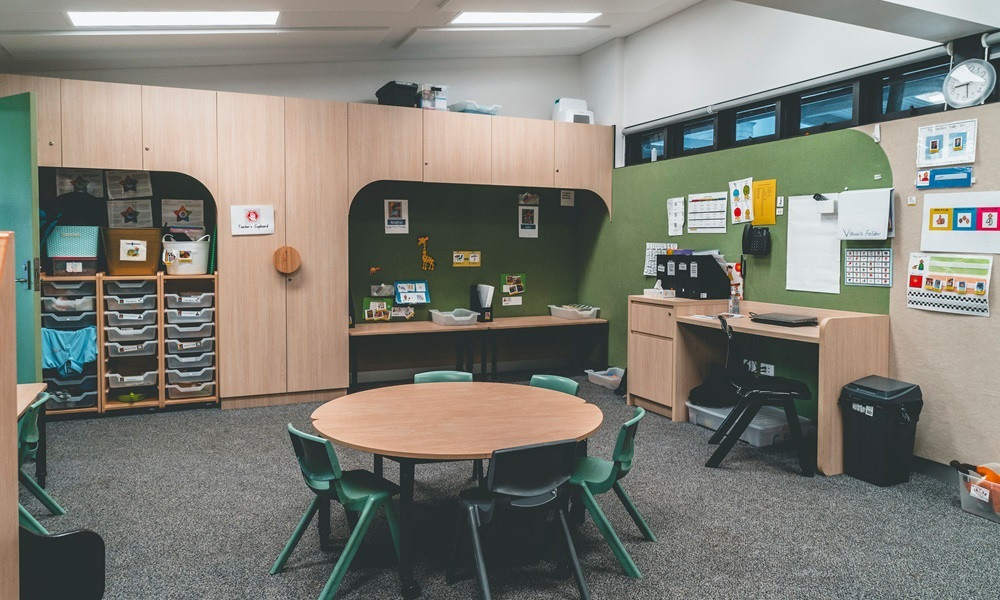
At our school, each term begins with a deliberate re‑establishment of routines, expectations and supports. Classrooms are set up with familiar visual timetables, schedules and cues from day one, helping students understand the structure of the day and anticipate what will happen next. Our staff draw on their detailed knowledge of each student’s communication style, sensory preferences, interests and known stressors to support a smooth return to school.
This knowledge is built through strong partnerships with families. Information being shared by families before term begins allows staff to proactively plan for students who may need additional reassurance, regulation support or time to settle back into routines.
Where needed, familiar supports such as Social Stories and visual cues can also be revisited to help students prepare for changes in routine, classroom expectations or learning spaces. Social Stories are factual points that describe new situations with pictures to help reduce anxiety about new situations by explaining what will happen step by step. This preparation helps students return to school feeling more settled.
Supporting students during the transition
When students return at the start of term, our immediate focus is ensuring they feel safe, settled and happy at school. This aligns with the checklist’s emphasis on gradual familiarisation, consistent supports and strong relationships.
Our classrooms are intentionally structured to support regulation and reduce overwhelm. Visual supports guide transitions between spaces such as classrooms, playgrounds, bathrooms and shared areas. Each classroom includes a designated calm space that students can use when they need time to regulate. Additional staffing and therapists are often present in the early weeks of term, allowing for more responsive, individualised support as students re‑establish routines.
Learning is introduced carefully, with simple tasks, calm environments and opportunities for early success. Students are given access to their interests and hands‑on, engaging learning experiences to support positive connections with school.
Ongoing monitoring and adjustment
An important strength of the checklist is its focus on what happens after the initial transition period. This reinforces the need for schools to remain flexible and responsive rather than assuming supports can be stepped back once students appear settled.
At Vern Barnett School, this is reflected through regular collaboration with families and ongoing review of supports. Individual Planning Meetings provide opportunities to set shared goals and adjust approaches as needed, while consistent communication ensures families feel informed and connected.
Importantly, staff monitor student wellbeing as well as observable behaviour. We recognise that a student may appear settled at school while experiencing stress or fatigue at home, and we work closely with families to respond to this.
Working in partnership with families
The checklist strongly emphasises collaboration between schools and families, including sharing information, aligning strategies and maintaining open lines of communication. This partnership is central to practice at Vern Barnett School.
Families are involved from the beginning of term and throughout the year. Opportunities such as ‘Meet the Class’ events and parent coffee sessions support connection, shared understanding and trust. Consistency between home and school – in routines, language and regulation strategies – strengthens predictability for students and supports smoother transitions.
When transition support is done well, the impact is often seen in small but meaningful ways. Students return to school more settled, confident and ready to re‑engage with learning. For families, clear routines and consistent communication reduce uncertainty and build confidence at the start of term.
At Vern Barnett School, these approaches are embedded in everyday practice. By applying transition principles consistently – not just at the start of the year, but every term – we support students to return to school with familiarity, confidence and a strong sense of belonging.
Aspect educators regularly come together to support each other’s practice. One of the ways we do this is through Communities of Practice, where we join with educators and school leaders across all sectors, along with policy makers and allied professionals to share evidence-informed insights, explore effective practice and build capability to support Autistic students. Our next Community of Practice takes place on 10 June 2026, and it will focus on navigating transitions across the learning lifespan. It’s an online event that’s free to attend, so you can register your interest here.
Thinking about your school setting, what strategies are in place to support students to reconnect with routines and classroom expectations after school holidays? Do you remain flexible and responsive after the initial transition period? What role do parents and carers play?