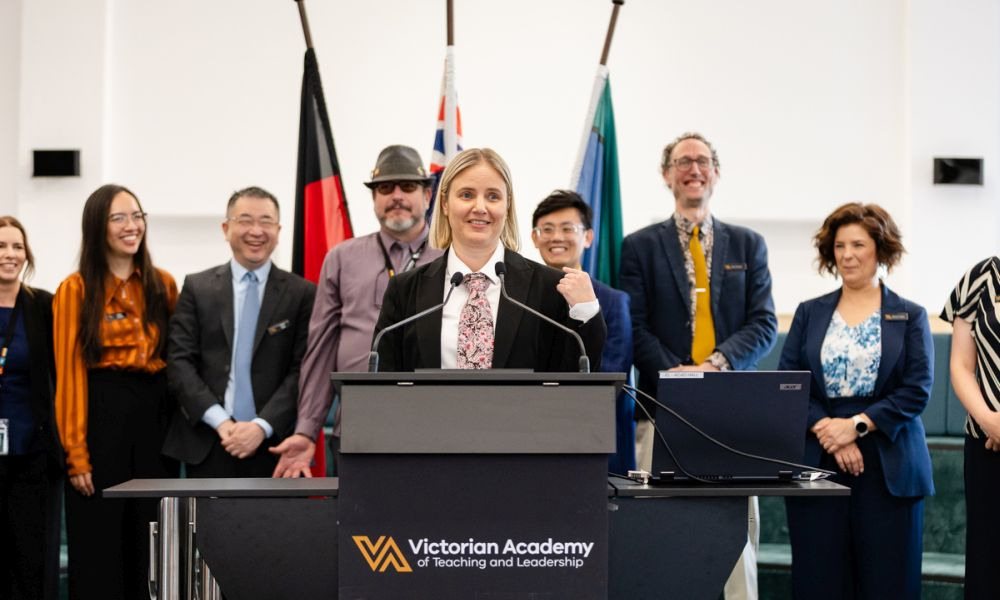
In the high-pressure environment of the modern classroom, the transition from being a 'good' teacher to an 'exceptional' one often requires more than just experience; it can be enabled by a deliberate, evidence-informed space for reflection and inquiry. This is the core mission of the Victorian Academy of Teaching and Leadership (the Academy), whose flagship Teaching Excellence Program (TEP) and subsequent Teaching Impact Fellowships (TIF) are reshaping the professional landscape for Victorian educators.
For school leaders, these programs offer a compelling proposition: a way to cultivate high-level pedagogical expertise, while simultaneously addressing the perennial challenges of teacher retention and improving student engagement, wellbeing and academic outcomes.
A new benchmark for advanced practice
The TEP, Australia’s first advanced professional learning program for highly skilled teachers, is a year-long journey grounded in 8 key discipline areas. Rather than a top-down instructional model, the program leverages practitioner inquiry and teacher agency. It invites participants to interrogate their own practice through the lens of contemporary research.
Research published by the Academy and highlighted in digital media like ABC Education suggests that the impact of the TEP is felt most keenly in the ‘micro-moments’ of teaching. Recent evaluations indicate a significant uplift in teacher confidence and a more sophisticated use of data to drive classroom decisions. For schools, this means having staff members who aren’t just following a curriculum but are actively diagnosing student needs and adapting their instruction in real-time.
As one school principal noted, having a TEP participant on staff creates a ripple effect throughout the entire school community. These teachers return to their teams with a renewed sense of purpose, and a toolkit of evidence-informed strategies that naturally diffuse through professional learning and other meetings and informal mentoring.
From excellence to innovation and impact: The fellowship model
For graduates of the TEP, the Teaching Impact Fellowship (TIF) provides the next step in leadership. These 12-month fellowships provide $5,000 in project funding, alongside intensive mentoring, to help teachers lead ‘change projects’ within their schools.
The fellowships are designed to move excellence from the individual classroom to the school, community, sector and system levels. Projects have ranged from implementing AI-driven literacy programs to developing more inclusive Koorie education frameworks. By positioning teachers as ‘agents of change’, the Academy is helping schools solve local problems with bespoke, research and evidence-informed solutions.
Media reports have highlighted how these fellowships are particularly vital in regional Victoria. With Academy hubs in 7 locations, including Mildura, Bairnsdale, and Moe, the TIF ensures that innovation isn't restricted to metropolitan Melbourne. Regional participants report that the fellowship (and the Teaching Excellence Program) provides a critical professional ‘home’, connecting them with a statewide network of peers that breaks the isolation often felt in rural settings.
The retention factor
Perhaps the most significant benefit for school leaders from these programs, is the impact on staff morale and retention. At a time when the profession faces significant workforce pressures, the Academy's programs offer a pathway that keeps high-performing teachers in the classroom, reinvigorates their passion for the profession, and keeps them in the profession itself, rather than pushing them into other career choices.
Participants consistently report feeling ‘re-invigorated’ after their time at the Academy. This is not merely about a ‘feel-good’ factor; it is about professional esteem. By investing in a teacher’s intellectual growth, schools signal that they value expertise, which correlates strongly with long-term commitment to the school and the sector.
Bringing it back to the classroom
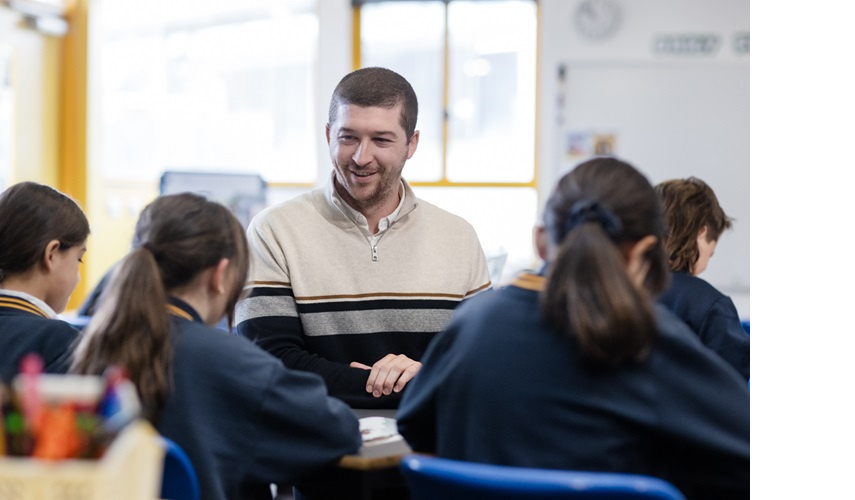
For the classroom teacher, the benefit is a shift from being a ‘provider of knowledge’ to a facilitator and leader of learning – for both students and other teachers. TEP graduates report a deeper understanding of teacher dispositions and a greater frequency of experimenting with new pedagogical practices. This shift has a direct line to student outcomes: improved understanding, higher engagement, and better emotional regulation in the classroom.
The Academy’s move to make these programs multi-sector – open to government, Catholic, and independent schools – has also fostered a unique cross-pollination of ideas. This ‘borderless’ approach to excellence ensures that the best Victorian teaching practices are shared, regardless of the school’s badge.
As school leaders navigate the second half of the 2026 school year, the question may no longer be whether they can afford to release their best teachers for such programs, but whether they can afford not to do so.
Dr Marcia Devlin AM is CEO and Peter Saffin is COO of the Victorian Academy of Teaching and Leadership.
Applications for the Teaching Excellence Program 2027 are currently open. Find out more at Teaching Excellence Program or scan the QR code below.


