Hello and thanks for tuning in to this podcast from Teacher magazine, the resource for K-12 educators published by ACER, the Australian Council for Educational Research. I'm Jo Earp.
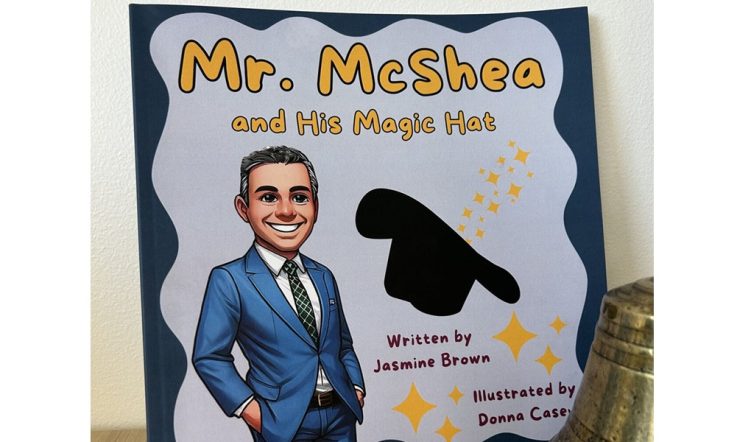
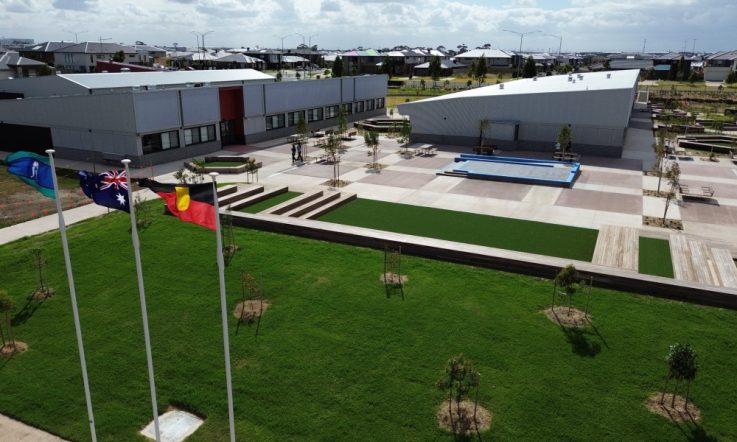
Welcome to School Assembly – that’s the podcast series where we follow foundation leaders for 12 months to find out more about what it takes to build a new school from the ground up. We’re going to be checking in with the leaders from all 3 series of School Assembly today. Going in reverse order – newest school first. So, we’ll catch up with Series 3 principal Dan McShea up on the Sunshine Coast, then head back down to Victoria to chat to Series 2 principal Jo Camozzato at Bemin Secondary College, and then finally across to Western Australia to catch up with our Series 1 leadership team Principal Dr Ray Boyd and Associate Principal Rachael Lehr, who opened Dayton Primary School to the first students all the way back in January 2023. All of these conversations were recorded in August. And, as you’ll hear, because they’re all at different points, it’s a really interesting illustration of how a new school develops and the different contexts. Our first stop is Queensland’s Notre Dame P-12 College in Bells Creek. I last caught up with Foundation Principal Dan McShea in July 2025. I started by asking him for an update on what’s happened with enrolments, staff recruitment and the next phase of the building work since we last spoke.
Dan McShea: Yeah, absolutely. Look, as I say, we're really proud of the journey that we've been on and the positive start that we've had as a community; 12 months ago, we were still establishing many of the foundations of the school and today, I think you can genuinely feel that the school's got a soul. The team's grown significantly, but more importantly, so has our individual and collective capacity. I think we've learnt together, we've supported each other and we've become increasingly confident in who we are and what we're trying to build here.
I think it might sound a little bit cheesy, but one of the things I'm most proud of is that the school has really developed that sense of belonging amongst students, staff and families. And we hear and see regularly around the impact that we're having on our young people, which really is transformational. Their experience and their success at school is different and we hear frequently that our students’ relatives have noticed positive changes in them. People feel connected to each other and to our mission. I think there's a genuine sort of love of work and we know how privileged we are to be building something special and proud to be part of that journey.
We started last year with 220 students from prep to year 3 and year 7 and this year we've grown to 370 and looking to welcome 600 students to our school next year. And so, this year has brought a fair bit of construction, which has been challenging again because this time it's been right in the middle of the school while we're operating.
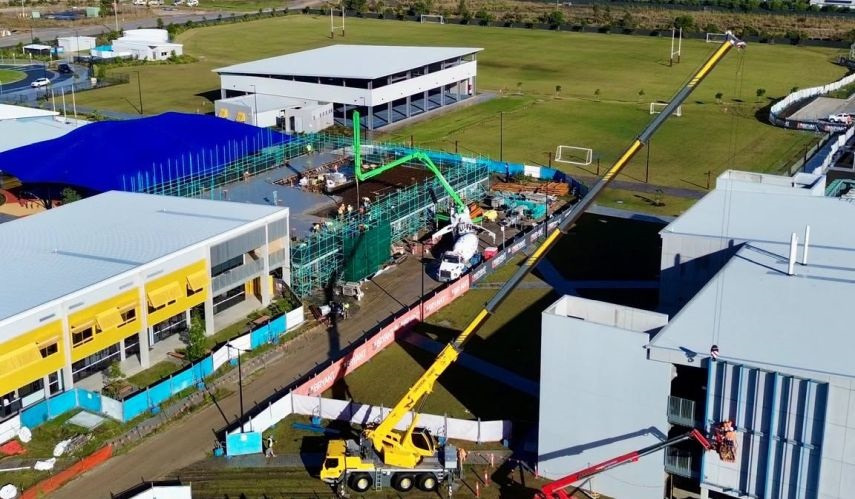
We've also seen great growth and waiting lists in every year level; so we've brought on, or agreed to bring on, an additional year 5 class next year as well. And yeah, look, if we had more rooms, we probably would have looked at more additional classes, but we'll hope to do that again in 2028.
We've been really fortunate with attracting strong teaching applicants, again, and the size and the quality of the applicant pools has been remarkable. And it's not the story that you hear when you look around, but we've sort of defied that trend and I'm not sure if it's the location or the newness or on the back of a positive start, but consistently we're getting massive fields for every position that we've put up and we've got all of our jobs for 2027 up right now, which has been exciting to meet some of the people that will join us next year.
I've been really excited about some of the impact that we've had with our students though too, like our achievement data, some of the intervention outcomes that we've seen, the student engagement measures, our overall growth is really encouraging. So, we don't want to get ahead of ourselves. We're still very much at the beginning of the journey, but we're seeing strong signs that the work that we're doing is having a genuine impact on our students and really excited at the possibility of what that could look like if we can continue to consistently apply that.
Jo Earp: It's interesting you saying there, about the building and how different it is that you're all on site this time, because that's one of the luxuries with the initial building – you're able to sort of wander around to go, ‘oh, yes ...’ and there's nobody on site. But yeah, that's an interesting one. When we first spoke then in that very first episode of Series 3 of School Assembly, you said that the work was really seasonal. You know, there are those sort of constant shifts. So, it's about, and I remember you coming back to this sort of time and again in the episodes, you know, focusing on what really matters at the time. What is the thing that needs to be done right now? Tell me a little bit about how things have gone with that. Is that something you've been able to maintain in the set-up period, in this early period?
DM: Absolutely. I think it has to. You can easily get pulled away, from distractions and other priorities. But we probably talk about what really matters now more than ever before. It's one of the best defences against getting distracted by things that really don't matter. It's actually in our document that we call The Notre Dame Way under Simplicity, we will prioritise what truly matters. And I use that often to say, well, what does really matter? Our students, their learning, their wellbeing, their formation, our people, you know, our commitment to staff, backing them, believing in them, creating opportunities for them to grow, to lead and to flourish. So, it's again, sounds a bit cheesy, but it's really true.
All of our schools naturally move through different seasons, planning, growth, celebration. But a lot of our work is around building. And when you look around – and we've all been there in other contexts – there's a lot of reactionary leadership. And I was actually speaking to a colleague the other day who was asking me about this opportunity and it is really different. We're not putting out fires all day, we're planting seeds and it's really exciting. It's a different sort of work. It's hard work. It's exhausting. But it's also exciting and you see the rewards of that. And a lot of our work is absolutely about creating culture, celebrating the things that should be celebrated, spending the time with the families at enrolment and just having a small team doing those enrolments, and really prioritising that recruitment process to make sure that we're attracting the right people and letting the right people in. So, it's a lot of culture work still, really, and I think it will be for the next few years.
JE: That's such a nice way of putting it, not putting out fires, but planting seeds. There may be shifts in certain areas, we've talked about that seasonality and different priorities at different times of the year, but there's also that settling down into that kind of consistency and rhythm and I can hear how important that is to have that consistency. Has that been the priority then, that teaching practice consistency – you know, what's going on in the classrooms, making sure that every student gets exactly the same kind of quality teaching?
DM: Yeah, look, without question, that's been really, really important. And there's been times where we've sort of realised, well we've got a bit away from that. We've got a bit, you know, there's a bit too much glitter here and a bit too much marketing and fluff and that's our real work. So, we've called ourselves on that quite regularly.
I think one of the advantages of being a new school that started, you know, quite small with last year 220 students and 30 staff is that we've actually been able to be quite bold and clear about our expectations around teaching and learning, but importantly not in a compliance-focused way. Our staff have had opportunities to collaborate extensively to develop our own instructional model, which is, it's a convergence of not only our beliefs about best practice around teaching and learning, but also a convergence about the relational approach that we want to have with our students and how we connect with them. So, we've looked at what best practice looks like in our school context. It's our shared understanding around how we can have the best impact on student learning and really what ‘good’ looks like every lesson, every day. And our staff have not only collaborated on that, it's evolved and so they actually really feel like they own it and it is, you walk around, it is really lived in our classrooms, which is exciting.
And what makes that model particularly powerful is that it doesn't simply, just describe effective teaching. It also, reflects our Marist spirituality in our context and the importance that we place on relationships, belonging and knowing every individual learner well. And that work, as I said, it's really deeply embedded across our college in its early years and our staff can see the impact, our students experience the benefits of that, and we've got some pretty good data to demonstrate that it is working.
So, that's been exciting and it keeps us coming back. It's our goal and it's a frequent … our staff share professionally every staff meeting and it's always around the model and around best practice and in doing so they develop their own capacity certainly and also, strengthen the collective capacity of the group. So, it's been really exciting.
JE: Yeah, it's great. way to do that, isn't it? Through sharing and experience and strength in collaboration and getting that consistency as well. As I say, it's been a year since we last spoke, so an awful lot's happened. You've mentioned a couple of things already about, you know, you're making gains in terms of student outcomes. You know, you mentioned about that strong sort of student belonging, that feel there. What comes to mind when you're thinking about a couple of those achievements then that you're most proud of?
DM: Oh look, you know, one of the one of the big ones, it's such a big impact and so contagious across our school is when your staff culture is positive. And we've been able to fortunately bring together an extraordinary team of people who genuinely care about their work and their students and love their jobs and they're really capable. And while it's difficult to pick individual achievements, there have been countless remarkable moments along the way that make you pause and realise that what we're building together here is pretty special. We've had moments with Kokoda, with staff commitment, dancing and doing things in front of students that you don't always see – being prepared to all really commit to dress up days and spelling bees and Pi Day and getting pied, and it's been amazing.
And watching our students thrive on the back of that and seeing even reluctant learners gain confidence, seeing staff now, even some early career staff, starting to get some leadership opportunities and seeing their growth has been amazing, and witnessing families embrace our school community, it's all really rewarding. I’ve had multiple students’ families tell me about how transformational the school's been for their young person and their wellbeing and their learning and really different from the experience that they'd had prior, which is really exciting stuff.
We've also had a school improvement review and that was really good because it showed that we should be proud of the work that we've done and that we have come a long way and as I said obviously still a long way to go. But it all comes back to people and what really matters – our kids the difference that we make there. There's a lot of joy in our school, Jo, and it's a good place to be. I hope you can visit one day.
JE: Me too.
DM: You got to come up. And when I look around at the team that we've assembled so far, I genuinely believe that we could do anything together. It's a good team. There's a strong commitment. It's exciting work and that's what makes me the most proud.
JE: Yeah, sounds like you're having a lot of fun up there, Dan.
DM: Yeah, look, it's yeah, it's definitely busy and it's probably working harder than I ever have, but it is all positive.
JE: Yeah, it's great to hear that you're having such good fun alongside that hard work as well. What about the challenges then? We caught up across the series, there were the usual things, you know, the building issues, the staffing and so on. Recruitment has been difficult for some schools, as you mentioned, but fortunately that's not the case for you. But I was thinking, looking back on that series, do you know, I don't remember once mentioning AI during all of our chats! And that's such a big part of education conversations now. Has that been the same for you?
DM: Yeah, look, probably I think it would have been really handy to have AI or to be able to use it in the way that we can now even just back then 2 years ago, particularly when we were writing a lot of policy documents and it would have been quite helpful. But look, yeah, it's obviously hit our schools and it's going to have a big impact on education. And I guess our response to that has been, initially there's some really good work, good efficiency work that can happen with the use of AI. And I think our staff are accessing that pretty well and saving some time and reducing an administrative workload, which is exciting, why wouldn't you use that? Those benefits are real. But increasingly our conversation has shifted from work efficiency to learning impact and we're becoming much more interested in how use of AI can strengthen our pedagogy and help us make better decisions for our students. So, it's not, you know, how can it help us work more efficiently, it's becoming how can it make us more effective educators, and better learning is the goal.
At the same time, we're probably looking for a sweet spot with our students and technology where we're asking them to be on their devices less than they were previously. We need to teach them those basics. We see that correlation between actually writing something with a pen and that translating into learning. And so, we've got to find a sweet spot there all the time. The human element remains at the centre, but we can certainly be more targeted and more impactful.
In terms of other challenges, yeah, look, you know, we have been lucky with recruitment. There's the normal headaches with construction. And I guess, you know, the challenge here is just scaling our leadership as our team grows. You know, you can't be doing everything. We've got to be influencing now more than doing as our staff will grow. We've had another leadership team member this year and we've got another one coming next year, which is exciting. So, just got to continue to adapt and pivot and scale your leadership, I think, Jo.
JE: Yeah, there's more demands, isn't there, placed on your time as well, I should imagine. So, it's just being realistic about that. Looking ahead then, what are the priorities for the rest of the school year then? And also, you know, you'd have completed that second full year. So, what are you looking to achieve in the next few months?
DM: Yeah, look, it's really probably similar to what it's been the last couple of years. I want to recruit really well. I really want to induct those new people well and transition them well as we prepare for another significant phase of growth next year. We're focused on continuing to strengthen and galvanise our culture by telling and retelling the stories that matter and celebrating the things that need to be celebrated and ensuring that, you know, what makes our school special so far remains strong as we expand.
We're really aware that, as we grow, that positive culture can be diluted and we really want to work to galvanise that. We've actually got a plan again to have all of our 2027 staff with us for a time this year in October, where we can start that process of sharing story and having that ownership. Parent engagement's a priority at the moment. We're just looking for meaningful ways to engage with our parents, get on the front foot of that in terms of setting up a genuine partnership aimed at enhancing opportunities for parents to contribute to school life in the interest of their student and their wellbeing and their learning.
And looking to expand leadership opportunities for our students. We didn't want to use the word leadership when our year 7s were in year 7 and they were the oldest students. We had some feedback from other schools that had grown that there was a bit of leadership fatigue when those first cohort were asked to be leaders again and again and again. So, we've tried to learn from that. We have established a Student Representative Committee this year. And that's been exciting, just having that sense of voice around things that actually have an impact. That's been exciting.
At the same time, we're looking to plan for the future in terms of what our third stage of buildings will look like, and we'll start the process of securing the funding for those early next year. So, some work's happening there. While we're still building stage 2, we start to design stage 3, which is really exciting and there's a whole lot of new middle leadership roles that'll join us next year that will add a lot of specialisation into those areas that will have a good voice into what some of those spaces should look like because it will still be a bit of a blank canvas. And, yeah, our goal really, it's not just to become bigger, it's to keep trying to become better as we go.
That was Dan McShea, who we followed in Series 3 of School Assembly, with an update on the fantastic progress that’s been made at Notre Dame P-12 College on Queensland’s Sunshine Coast. Okay, we’re going to head back down to Victoria – to the Melbourne suburb of Truganina. In Series 2 of School Assembly, we followed Foundation Principal Jo Camozzato as she prepared for, and opened the doors, of Bemin Secondary College. You might remember this was a really logistically complex one because it was dual campus, and both locations opened at the start of 2024. And, when we talk about growth in student numbers, just listen out for the number of staff Jo and the team have onboarded this year!
JE: Hi Jo, it's fantastic to see you again and speak to you again. Now I'm catching up with all our School Assembly foundation leaders to see what's happened in the school. There's a lot happened obviously because it's been a while, but what are kind of those major developments that have happened with the school since we last spoke?
Jo Camozzato: Hi Jo, well I'd say some of the major developments are we're now at just under 1,500 students. I don't even remember when we last spoke, actually. Was it 18 months ago?
JE: Yeah, it was a good year and a half ago.
JC: Yeah, so we're now under just 1,500 and next year we go close to 1,700 students. So, rapid growth is one of the main things that's happened. This year alone, we have onboarded 68 new teachers in the one year. In fact, as I say that, I feel a little bit kind of nauseous. So, 68 teachers we managed to employ for this year. So, this year was a year of really huge growth because we are now 7 to year 12. So that meant all our year levels are in operation, all senior school subjects are being offered, and it required a lot of staff to cater for the growth across both campuses.
We're also getting to the last few months of the stage 2 build. So obviously when we opened, that was stage 1. And now on the senior campus, by the end of this year, we'll have 4 more new buildings, which is fantastic. I think we had spoken before and we have received relocatables, like new portable classrooms for the senior campus, which we do have, but we've also got new buildings coming on board. And the junior campus now will be getting relocatable buildings, portables as we know them, for next year. They'll have a new oval and some other sort of outdoor features by the end of the year for the students there as well. So, lots going on here. Lots going on here.
JE: I mean, that just blows my mind – 68 staff this year, onboarding. And I think, so it's one of those things when you think about the schools open now, but it's not as simple as that, you've got all the building work still going on. I caught up with Dan McShea, which we'll have heard in this episode before I speak to you. And he was saying, you know, one of the great challenges is, of course, the first phase of building work didn't have students in. And now they've got the second phase and the students are there. So, that's another challenge in itself. Then you've got that recruitment thing. I know that during our catchups when you were on the series, recruitment was a real challenge, wasn't it? Is that still the case? Is that still the real challenge for leaders where you are?
JC: I think it's still a challenge for some schools depending on where you are positioned in cities or regional areas, yes. I mean, the 68 teachers that we found and employed for this year – and about 4 started mid-year because you know things happen in people's lives and we've got people on family leave, so in total 68. Half of them, over 30 of them are international teachers. So, I couldn't have done it without actually employing people from New Zealand. Some teachers are from the east coast of Africa, some from the UK, some from the United Emirates. Without the influx of international teachers, I don't think I would have found 68 teachers that I felt were the right fit for this college, just from people who are prepared to drive to Truganina. That will ease off somewhat next year. Next year the challenge is a bit different. We don't need anywhere near as many teachers and instead we have pockets of sort of need. So, we might need someone to teach Legal Studies, someone to teach Business Management, but we don't need an English teacher. So, it's going to be a different challenge, but I actually welcome a challenge where I can find less staff because I don't really comprehend what that means to have employed 68 teachers. I don't think onboarding has actually finished for those people, because when you have that many people into a school, it takes a long time to help them understand our expectations but also acknowledge what they bring with them.
JE: Yeah. Well, another thing that we've been talking about in this particular episode is sort of getting into that rhythm, that consistency, the ways of working. And foundation principals, foundation leaders, there's a lot of things laying the foundations for. How do you feel you've gone in terms of settling into that, kind of, rhythm of consistency? You’re saying there about, you know, the new starters, so they're aware of ways of working and also you're aware of their strengths and what they bring as well. Do you find that sort of rhythm, that consistency coming though, now you're a few years in?
JC: I think maybe it's a question to ask me again for next year. The reason I say that is that every – by the time we get to the end of, like the end of our first year, end of our second year, I did feel that we were having that consistency both with our students and with our staff. But this year's been such a big growth with the staff that I don't think we're there yet. It doesn't mean we're not going to be there. But the reality is that I mean 68 new teachers – we've got 126 teachers. So, half our teachers are brand new into our college. And, also, some of them have never taught subjects that they've been given to teach before, let alone in the Victorian education system.
But we mustn't forget the students, like we've had a really big increase in students as well. So, in the first year, it was much ‘easier’, if I can use a word, to help our students understand our expectations, our routines, both our learning routines and classroom routines. And then suddenly we had 4 year levels last year, and that was a bit more of a challenge. And now we've got all 6 year levels. So basically, you know, we're a fully-fledged high school in 2 years, because we opened this year with the 6 year levels. And building culture, that takes a bit longer than that. So, I don't think we're kind of there yet. Are we on the right path? Yes, definitely. But it does take time. Definitely takes time.
JE: In terms of those things that you're really proud of, then, and major achievements over the last couple of years, I know that, again, thinking back to our conversations, that sense of belonging, that community involvement was always really strong with you. What are the things that stand out for you?
JC: I think some of the things that stand out are also still our challenges. I mean, definitely I've always felt that the school has been very welcomed by the broader community, and that's the same. Families are very keen for their young people to come to the school. They appreciate what we're trying to do, that we are still in a sort of beginning phase as a school and emerging, but we're delivering established things for their young people. So, I'm very proud of that. Still feeling that we're welcomed, which is a good sign.
I'm very proud that we have managed to set up those year levels and run the year levels in such a short amount of time. Obviously, it's not a competition between new schools, but this is sort of a very unique situation where we've had the 2 campuses opened at once. And I'm very proud of the way that the staff and the people who've gone on to become leaders at the college have really committed to that challenge and believe in what we're doing, setting up a school for a new area and making sure that the young people here get everything they could get at other schools.
So, I think they’re the things I'm most proud of. And the delivery, the actual curriculum delivery of year 7 to year 12 – I think we can't emphasise enough the amount of work that's gone into that. You know, teachers have really had to work hard at planning curriculum, trying to understand curriculum that they haven't delivered before and continuing to do their best for the students.
JE: Yeah, logistically, it's such a big challenge even when you remove the dual campus element. But yeah, when you think about that as well. Okay, then we're going to finish off so that you can get on with that important work there. But first thing is priorities for the rest of the year. What are you hoping for the rest of 2026? And then what's the major thing for next year coming up?
JC: I think one of the things that I'm really excited about this year, and I don't want to overemphasise this, because obviously we've got a lot of fantastic students, but I think, you know, if everyone can remember, well, our first students, our year 12 students, will be our first valedictory students, which is really exciting. I'm really looking forward – they may not be – to their exams and finishing up school year, but I'm really looking forward to the day in the end of November, early December, where we have valedictory dinner with their parents, and our 223 students are presented with certificates and whatever else has been organised – valedictory gowns or hats or scarves commemorating their year at Bemin Secondary. And that's a massive effort. And I'm, you know, we're not just talking 80 students, we're talking over 200. So, I'm really looking forward to that on a symbolic level.
And next year, I think next year I'd be keen for us to move into more establishing and consolidating the very thing that you were talking about – the way we do things, without worrying about so many new staff. There will still be some new staff, maybe in the end up to 20, but that seems like nothing, you know, like that's really not many compared to 68. And it gives us a chance, I hope, if a lot of people stay on with us, to really consolidate some of the great work that's been happening.
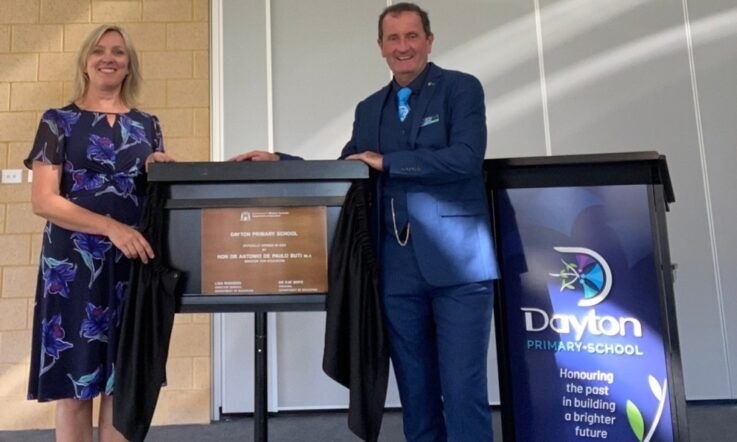
Just over 2 years in, and what an impressive start to life at Bemin Secondary College already. Thanks to Jo for joining me for this special episode. Our final update is from our 2 foundation leaders at Dayton Primary School in Perth. Principal Dr Ray Boyd and Associate Principal Rachael Lehr. They were on the very first series of School Assembly. We first caught up with them in August 2022. So, 4 years on – they’re further along the journey and in a different phase again, which is more about consolidation, refinement and instructional impact. Here’s our chat.
JE: Ray and Rachel, it's fantastic to have you back on the School Assembly podcast for this special catch up and it's a while since we last spoke. I'm assuming there's a lot going on, but in terms of that foundation and setting up a new school, what has the last sort of 12 months been like for you? What are those priority areas as you get a little bit further down the track?
Rachael Lehr: I think really at this point and, so it's our fourth year for those that are catching up. So, we opened in 2023 and we're halfway through our fourth year. Really, it's just been continuing to build what we already started back then. Our staff numbers have grown but not significantly, and our student numbers have grown but not significantly. So, we are slowly and steadily just increasing what we're doing from the beginning. So, Ray can probably talk to …
Ray Boyd: It's pretty much been a consolidation of what we've already done. There's been a lot of refinement around some of our processes as we've taken on feedback from staff. Probably one of the biggest changes has been our coaching. We've brought that down a little bit. Now that the numbers have grown, we need to keep it sustainable. So, we haven't changed what we do, we've just refined what we do, particularly with some of our more long-term staff.
JE: And what about sort of the building side of things? Is that all complete? There's nothing else to do on any kind of structural kind of stuff or?
RL: No more buildings, but we did put in a fantastic playground because, we probably spoke about this years ago when we didn't get a huge budget for a playground, so it was fairly minimal. So, with a grant from the government, we've put in a fantastic sunken ship and some monkey bars and swings. And so that's been a big thing, but not a lot else going on.
RB: Primarily just fixing up buildings with issues. The roofs constantly leak. Australia is one of those few countries – as opposed to England where we whack in a tin roof which is waterproof and then put a hole in it and run a pipe through it and wonder why it leaks. So, it's just those little things. And this winter's been particularly heavy with rain. So, we found a lot of those where those faults are now, which it's good, but it's also rather annoying.
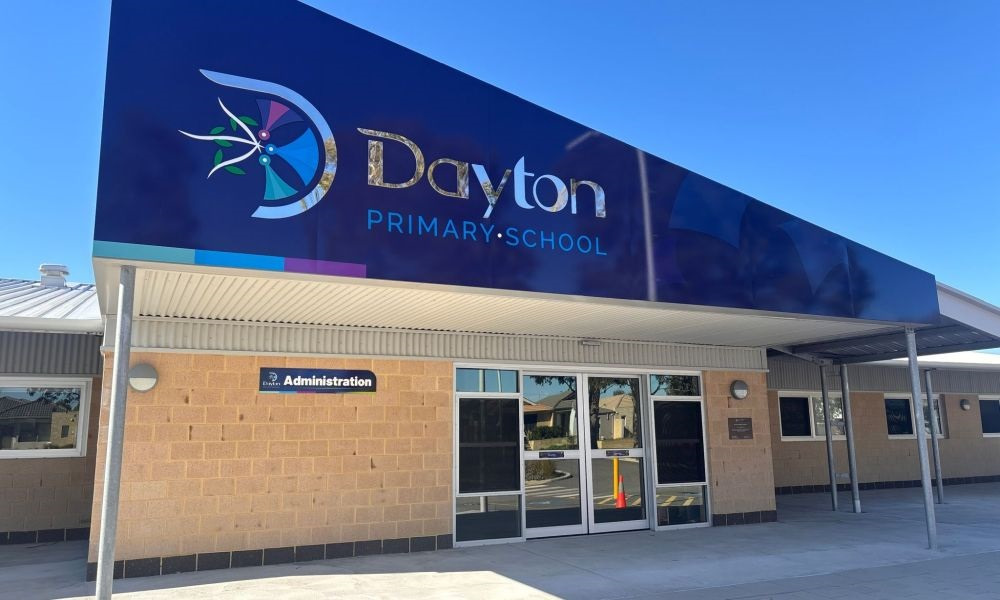
RL: And the other thing we've done recently is we've extended our branding. So, put in some fabulous new signs across the front of the school. If you pop onto our LinkedIn, you can see it there. And just markers around the school for where things are. So, it's taken 4 years to get those in. But that's even just to sort out the parking. One thing with growing is our car parks are finally becoming a little bit of a mess, which is typical of schools, but we never had any cars in our car park over the last few years. So those have been some recent works around the school, but that's pretty much it. We're just really focusing on instruction, and we just got our NAPLAN results. And so, I know Ray loves to talk about NAPLAN, but we're very excited about where our instructional ecosystem has taken our students.
RB: And Rach, I often say to staff, there's some areas of our previous school where they outperformed us. So, when I was leading that school, we reached those. But, Rach and I had a conversation and Rach reminded me that probably the biggest difference here is we have a lot of families that constantly go on holidays, but more than that, a number of our kids that come into the school have no English whatsoever. So, the EAL/D background plays a really big part in what our kids are doing. So, in that sense, we should be really, the staff should be really chuffed with the work that they're doing and the movement that we see with these kids in both literacy and numeracy.
RL: And another exciting thing that we found out recently is our reputation is spreading in the community. And so, we've actually, much to families that are trying to live in Dayton to their disgust the house prices have gone up significantly in our local intake area by a couple of 100,000 compared to the section of Dayton that goes to a different school. So, people are hearing about the work that we're doing here. They're hearing that there's a really positive learning culture and then they want to get their kids in – even to the point of potentially making up addresses, or the fact that they live in our area, to get in. So our reputation is preceding us at the moment, so that's good.
JE: I mean, that's fantastic. And building that, because when we spoke right back in the beginning, one of the key points was building that link with the community, a sense of belonging – and we know all the research around that and how that improves outcomes as well for students. So that's great to hear … that must be because really, you have to create that environment first. You have to create that learning environment first and then do the work of the progress.
RL: Absolutely. And we've talked about culture before and I think that's something that we both feel really proud of our team and our culture with our team. But that's been work. We just didn't establish a team and then it was all perfect and everything is going along smoothly. So, we've had to continue reminding our team and ourselves what we stand for at Dayton, what it means to be part of Team Dayton, as we say, and what really matters most. So that work continues and trying to keep that really collaborative team culture where like you say, Jo, the sense of belonging is at the front of what we do. So, it's working. We feel really like our team seems very happy and they're all happy to stay here. So that's a good sign.
JE: What about challenges? Have there been any big challenges? I know, other areas have said sort of staffing? I suppose if you're in that setup phase, getting a lot of staff on board is very difficult, but if you're not taking on huge numbers, what's that been like for you?
RB: Well, look, it works to our advantage in some ways. We don't have to worry about a high turnover of staff. So, the pressure on staffing's not there. Certainly, when we run a process or need to go to a process to recruit staff there's an influx of staff, but then again, it's trying to find … there's plenty of people who have the qualities and abilities to teach, but it's more than that. And through the episodes we did with [School] Assembly, it's more than just being able to teach. You've got to fit in with the crew. One of the big things that Rachael and I and the team do is we call out behaviours that don't sit within that, which is really hard. So, it's getting, the hard bit’s making sure each time we select staff, we get the right fit. We've had a few where we haven't got the right fit, but in some ways it's good because it's a fixed term position, but in other ways it just sort of rocks the boat a little bit. So, that's probably the biggest challenge is making sure that the cultural fit still works for us, Jo.
RL: And like Ray said, having those difficult conversations where we've had to say, ‘at Dayton we don't talk about other staff in the staffroom’ or whatever it is, and just being willing to raise that issue’ because otherwise it festers and creates a real issue with the culture. So, we've had a couple of little blips along the way, but largely we've employed, as we said in the past, for mindset over skillset. We're looking for people that really love kids, that want to keep growing. We make it really clear to any new people coming on that we're still, we still teach quite explicitly. We have a very clear instructional coaching process, as Ray mentioned earlier, and that's what they'll be part of. And that will be in their classrooms, so don't come to Dayton if you're not willing for that.
RB: And that need for staff to work together. Starting as a small school’s a little, well it’s a lot easier because we've only got single stream. We're moving now, we're double stream, in some cases 3 streams. So, staff understanding that when you come in, you have to, if you're a year 1 teacher and there's 3 year 1 classes, you have to work together in terms of what you're doing. Because we say to parents, it doesn't matter which class you're in, they're still getting the same content. Yeah, you'll get a different personality, but you're still getting the same content material. So that's the challenge really.
RL: And that triple stream goes up to year 3 now, but I've been really proud of the way our teachers have worked together and they're actually finding it's actually a real bonus because they're sharing the workload like it's, you know, split in 3 ways rather than just one teacher doing all the work. And yeah, so, talking about challenges, another thing that we've had to be really diligent about, like we have our Playbook. which we established in the beginning before we even opened. And then we built over time our English learning area handbook and our maths handbook. And so there has been some shifts, not so much in instruction, but how we teach literacy and how we teach in numeracy. And we found recently, I think it was just at the end of term 1, I noted that some sort of small shifts had happened in how we were teaching spelling. Because that was the first thing we did, we did that in 2023. We did that work ‘this is how we do spelling at Dayton’. And now that's 3 years later and we've got new teachers. And I was just by being in the class, I noticed, ‘oh, that's not quite how we do it here’. So, we have to keep coming back to our source of truth, which is our handbook, and saying, ‘this is what we're doing at Dayton’ and if it's not, let's update our handbook so it aligns with what we're actually wanting to do in the classroom.
So, there has been changes to that, like the process, but we just need to keep all of our team on the same page and it's harder as we grow. So that's been another challenge, but it's not a big challenge. It's interesting work and we're happy to do it. Our spelling results are through the roof, so it's working. We just have to be consistent.
JE: What a great example of setting up a new school. I'm interested with just finally then that idea of a new school. I still call you a ‘new school’, but are you thinking of yourself as a new school anymore or does it feel like you've been there for quite a while now? It's 4 years, isn't it?
RL: I think when we have people visit and they walk around and the school still looks new, they're going, ‘oh, this is a lovely new school’. So that reminds us. But I think in our fourth year, and we obviously had that one year before, so it's been 5 years almost it doesn't really feel as new for me anymore.
RB: Yeah. It's still sparkly and everything compared to where we've come from, particularly where I've come from, but it's, yeah, it's losing that. We're not new, we're actually established now. So, in that sense, but yeah, it's still a new experience as the school grows, once the area settles down to the point where no more buildings can go in and then it's just sort of as the families grow up, we'll see some changes. But we're still in that stage. In that sense, we're still sort of new, in regard to the community.
RL: Yeah. And it's been really nice. We've still got those 200 students that were with us on day one, we've still probably got about 150 of them. And to see the growth in those students that have been with us for the whole time has been really exciting. Yeah, we've got a lot of obviously new students that are coming in that have just been with us for one year or 2 years or 6 months. But that cohort is a special cohort, I think.
JE: Okay, well, that sounds like you've made, you're continuing to make fantastic progress. And of course, congratulations not only to you, but to all the team there and the rest of the community, because it is a real community effort.
That’s all for this episode. It’s so lovely to have been able to catch up with Dan, Jo, Ray and Rachael. Thanks to all our foundation leaders for joining me and thanks to you for listening wherever you are. If you enjoyed this episode, take a moment to follow our show on your podcast app (if you haven’t done that already) and leave us a review. Both of those things help more people like you to find our podcast, and they’re a really big help to the team. We’ll be back with a new episode very soon.
Teacher magazine is published by the Australian Council for Educational Research.