In a recent podcast episode of The Research Files, researchers Hannah Richardson and Dr Gweneth Leigh introduced listeners to the Schoolyard Greenprint project – a series of free-to-access guides sharing their findings from almost 2 years of research into outdoor spaces in secondary school settings. A major finding from this research was that students desire better outdoor seating options at school. In this follow-up article, Hannah Richardson shares more about the importance of sufficient outdoor seating, the specific seating types students desire, and suggestions for improving student seating on a shoestring budget.
If you asked your students what they would change in their schoolyard, what do you think it would be? Perhaps new expensive play equipment or a basketball court?
At the University of Canberra, we asked over 500 high school students – from public and private schools, suburban and regional – what they thought of their schoolyards.
Across the spectrum, they reported insufficient seating.
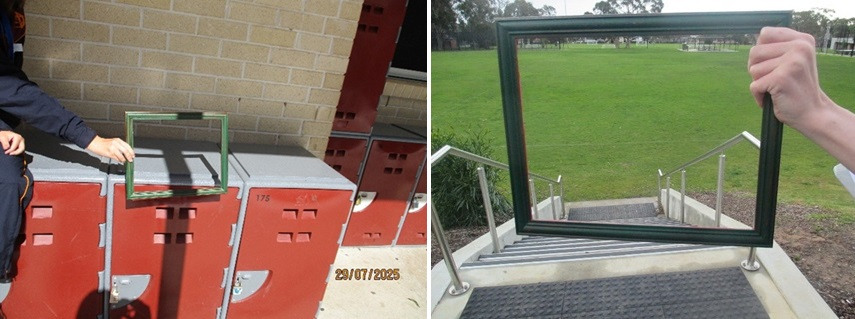
That answer was surprising, because when we did site observations we saw plenty of picnic tables and benches. But these were often empty, while students – in many cases groups of girls – instead sat in circles on the ground, despite being winter. Similarly, we saw students improvising – sitting on steps, on their lockers or the edge of garden beds.
Above: year 8-9 girls at one school reported: ‘Our friends sit together in this spot’ on the ground.
So, why do students want more seats where there are plenty already? Why aren’t current seats meeting their needs? And why would girls want to sit on the ground?
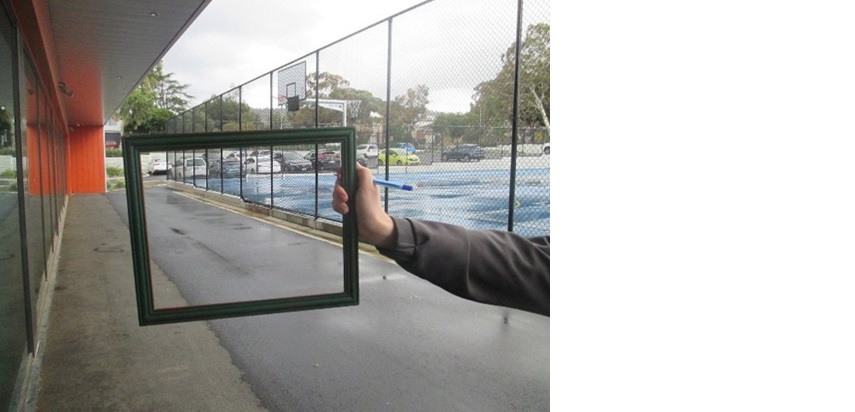
Our research focused on how to design schoolyards to improve student wellbeing in Australia. We engaged with over 1,500 people and had a youth co-researching team – comprising of recently graduated students from a range of backgrounds – along on the journey. Core to our research was a photo framing activity in which students took photos of their schoolyard with a green frame for positive spaces and a red frame for negative spaces, included throughout this article.
This resulted in the Schoolyard Greenprint, a 4 volume guide on how to improve your schoolyard and engage with your stakeholders, including students, throughout the design process:
Why is furniture important?
At first, outdoor seating might seem like a small feature. Yet for students, it is often much more than something to sit on. For a neurodivergent student, the right furniture might help them downregulate and feel safe. For a group of girls, it might facilitate their friendships. For older students, it might help them rest after a tough exam or exercise their autonomy by shifting a seat from one place to another.
What do students need from outdoor seating spaces at school?
We found that students want furniture that facilitates a spectrum of social activities from passive observation and hanging out through to medium and high intensity social activities. See Figure 1.
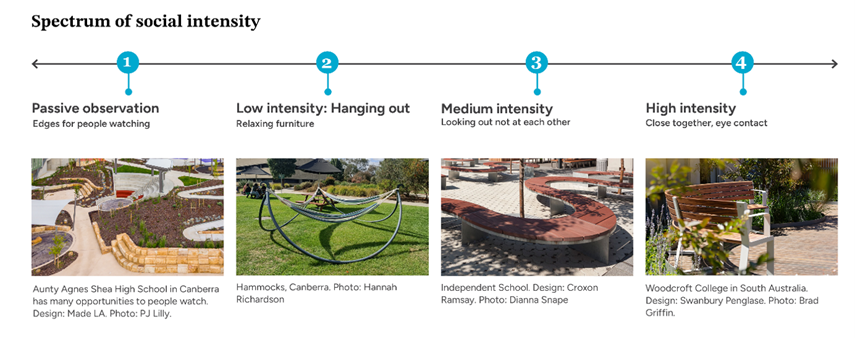
Places to people watch
Passive observation, or perch points, means opportunities to sit and people-watch and is most effective when located on edges or ledges that are protected by vegetation behind them. One of the principals interviewed in our research noted these are particularly important for neurodivergent students:
‘Our neurodiverse kids sit up on those balconies on the silver seats, where no one’s then behind them, and they can then see the world going on.’ (Principal)
Low intensity: hanging out
One of the most consistently requested changes to schoolyards, from the students we spoke to, was places to hang out and relax. Even the highly sporty kids requested restful furniture. This could be seats that recline, hammocks, beanbags or even picnic rugs.
As one student explained:
‘We just want to sit down… catch our breath and just catch up. Relax.’ (Year 11-12 male student)
The chart below shows many students want large, engaging lounge-style seating.
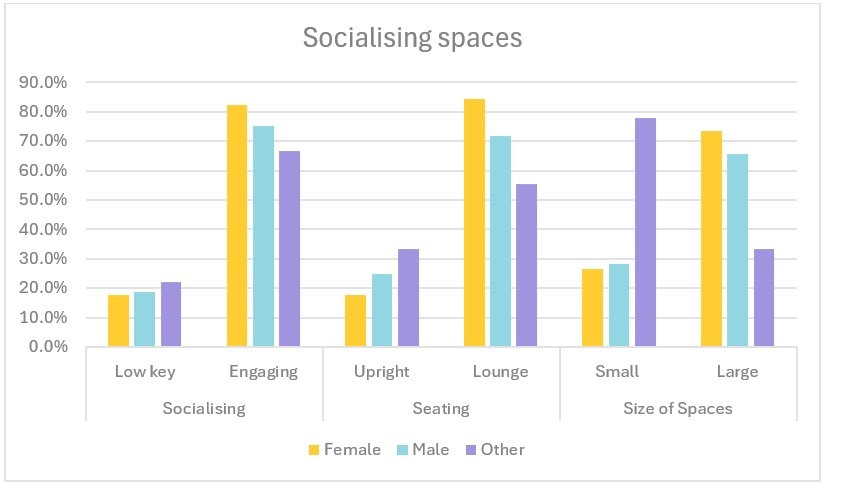
Room for groups to socialise
The expert designers we spoke to agreed with students on the importance of providing furniture for them to relax, and to do so in groups. Landscape Architect Catherine Rush, from Rush Wright, led the design of courtyards at St Columba’s College in Victoria, where she observed students, ‘lounging in groups of 4 or 5... Any different number of kind of configurations.’
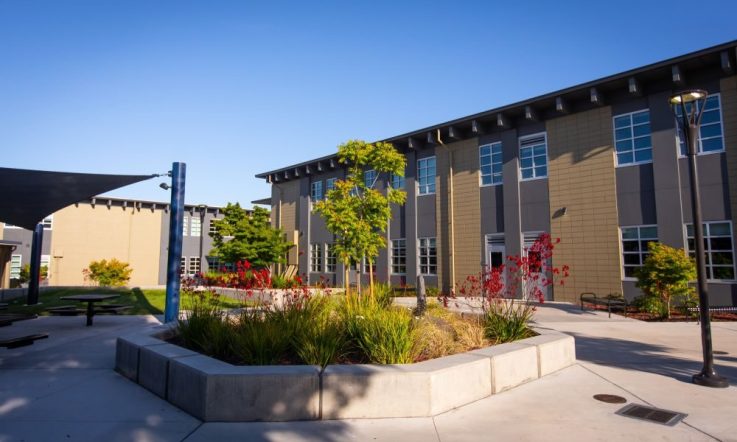
Yet, when we visited schools through our research, we consistently observed upright seating, typified by the 2-seater bench or picnic table.
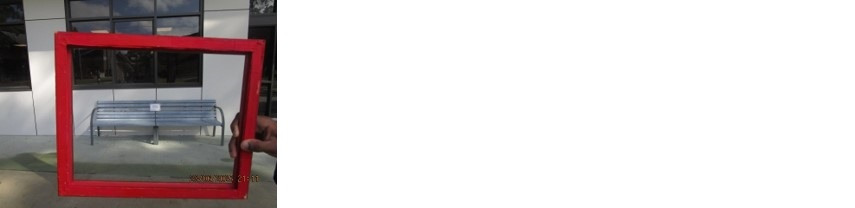
At one of the schools we studied, a hammock had been installed. While extremely popular with students, hard components made it uncomfortable to use.
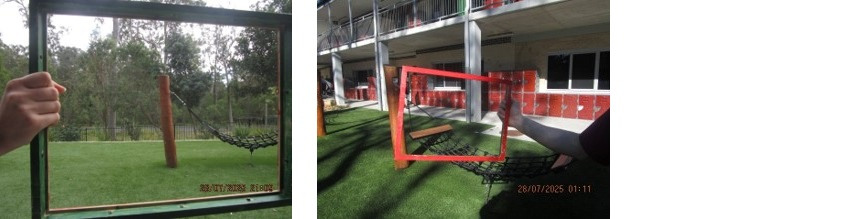
When schoolyards don’t provide sufficient spaces that are calm and relaxing, both students and principals report students going to bathrooms.

Medium and high social intensity furniture
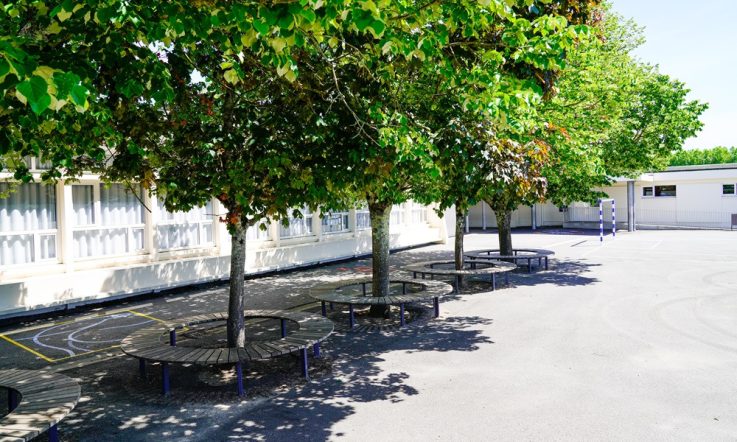
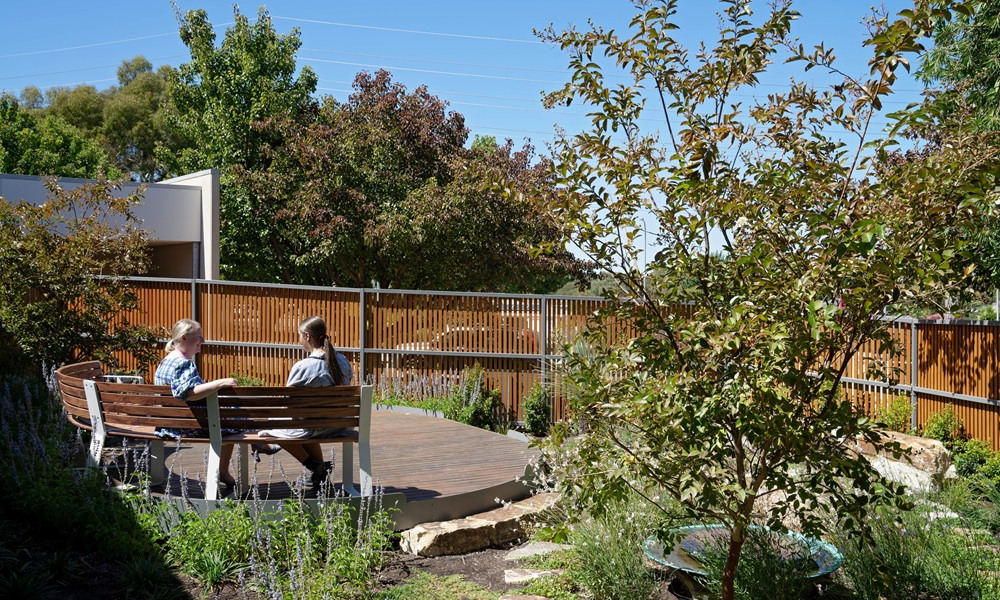
Finally, we found that students need furniture that facilitates medium and high social intensity social spaces. Medium intensity social furniture allows students to be in the same space without necessarily touching or making eye contact. Popular with some of the neurodivergent students we spoke to, these types of seating arrangements include convex seats that allow students to face out. Furniture that fosters high intensity social interaction includes concave and circular arrangements that are close together – these were particularly popular with female students.
Improving seating options in your school setting
If there’s one thing that principals and students agree on it’s that Australia’s extreme weather puts significant pressure on outdoor spaces. One principal observed: ‘when the weather was bad and kids couldn’t go outside, behaviour really deteriorated.’
Many furniture options are not suited to Australia’s climate, preventing students from benefiting from being outside. As one student put it, the seats in the image below are ‘too hot in summer and too cold in winter horrible when wet’
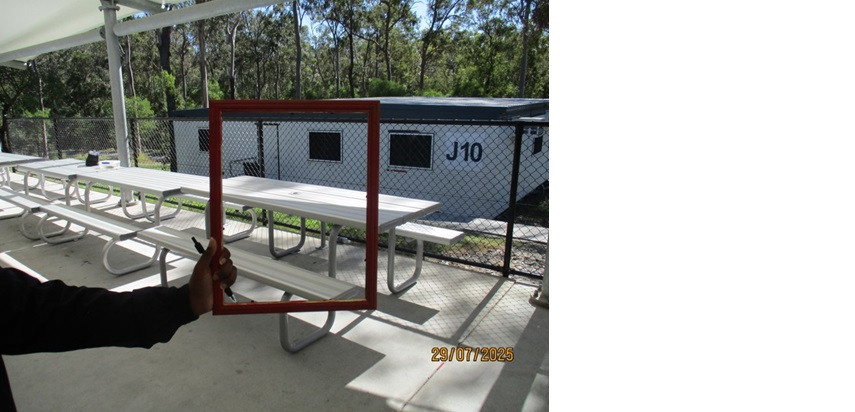
Landscape Architect Maguerite Bartolo from Swanbury Penglase in South Australia knows how important choosing furniture for Australia’s climate is.
‘Composite plastic… actually burns children. So we've had to remove it from projects,’ she said.
Marguerite points to natural timber or extruded aluminium as more resilient to winter and summer wear.
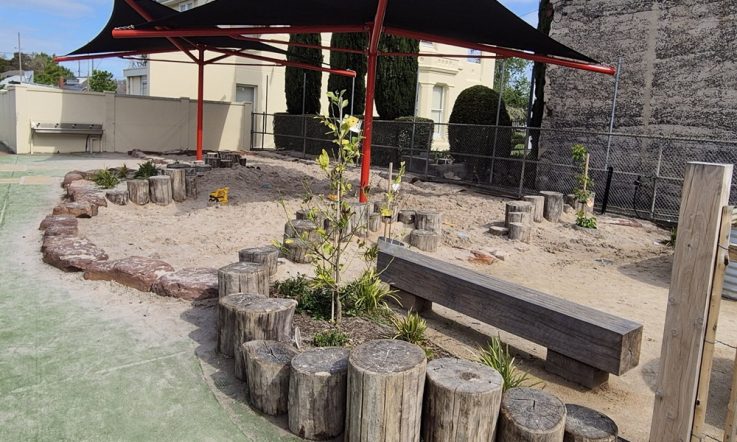
Students also reminded us that natural features such as logs are great ways to provide seating that’s comfortable in hot weather.
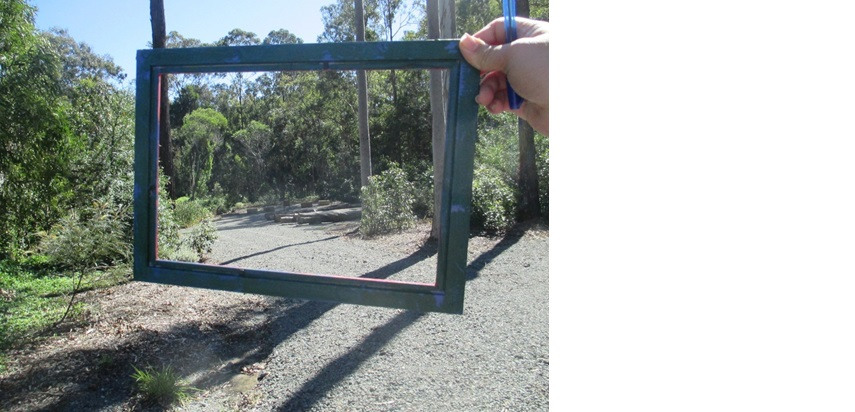
The good news is that providing a range of seating options does not need to be expensive. You could start with milk crates or stones arranged circles for high intensity social interaction. Or a log with a nice view for medium intensity social interaction and a hammock for a relaxing option.
If you want to find out more about furniture, how schoolyards affect wellbeing and techniques for engaging with your students, visit our website. You can also contact me and the team at: Hannah.Richardson@canberra.edu.au or schoolyardgreenprint@canberra.edu.au
The Schoolyard Greenprint is produced by the Health Research Institute at the University of Canberra and funded through Frontiers developed by Hort Innovation with co-investment from Landscape Foundation Australia and contributions from the Australian government.
Stay tuned: In a forthcoming article, Hannah Richardson will share how schools can engage the broader school community to develop change together in outdoor spaces.
What are the seating options in your school? Do you have both medium and high social intensity options? Are there spaces for larger groups to sit together?
Next time you are in the schoolyard during a break time, take a moment to observe where and how students are relaxing. Are they sitting on the ground? Are they lounging or sitting upright? What changes to seating options would you make?
Have you asked students for feedback on existing outdoor seating spaces? What changes would students make?