‘We are, as our staff and students say, building a culture of excellence where every learner can thrive, and this year we have the data to prove it.’ In today’s article, Jo Jolly – Principal at Parkhill Primary School in Melbourne, Victoria – shares details of the journey the school has been on for the past 3 years to shift culture and improve student outcomes.
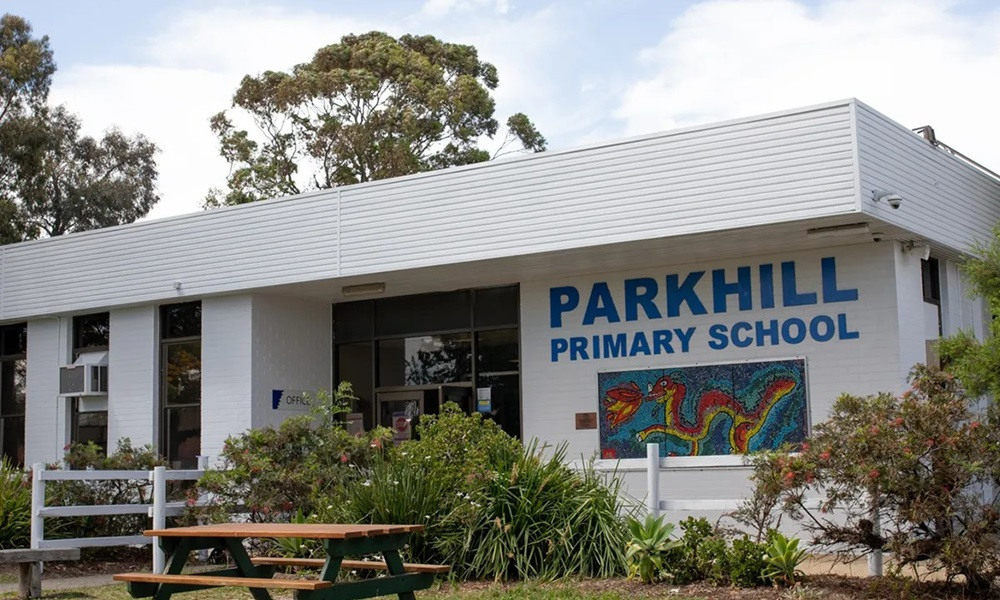
I've had the privilege of being Principal at Parkhill Primary School for over 3 years now, and in that time, I've come to know this community deeply; its strengths, its aspirations for its children, and the areas where we needed to be honest about the work still ahead of us. Parkhill is a school with a genuine sense of care at its core, and the want for every student to have success is instilled deep in the staff and families alike.
This article reflects the journey we've been on these past 3 years – one that has reshaped both our school culture and our approach to instruction, and one that is now showing up clearly in our students' outcomes.
Building the conditions for learning
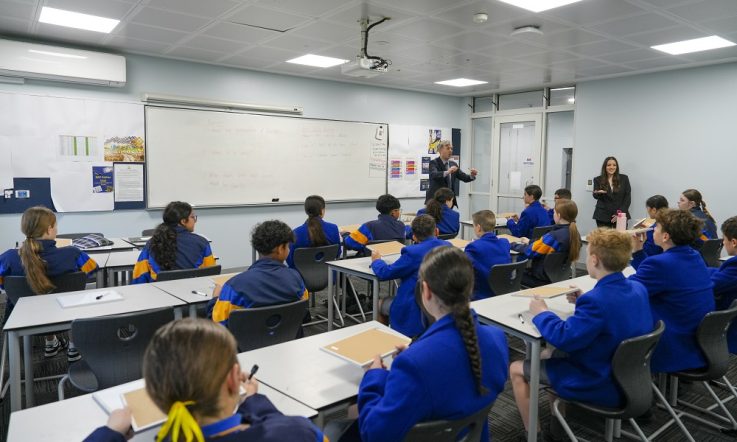
Before coming to Parkhill, I had read an OECD report (2010) that reframed how I thought about the conditions for whole school success. The report's analysis of learning environments, the role of orderly, well-managed classrooms, consistent expectations, and strong school leadership in supporting achievement, resonated strongly with what the leadership team observed at Parkhill. It confirmed something I have come to believe the longer I am in education: that equity isn't always just about access or resourcing, it's about whether every child, regardless of background, walks into a classroom that is calm enough for them to learn.
That became the anchor for everything that followed. If we wanted better outcomes for every student, we needed to build the conditions for learning first and then have the instructional model to match.
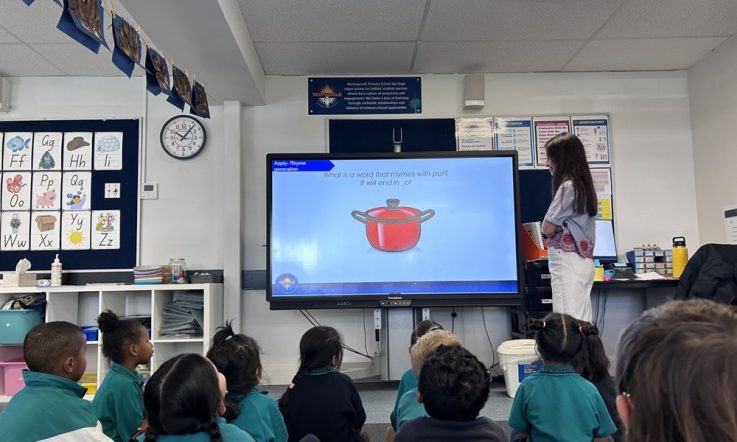
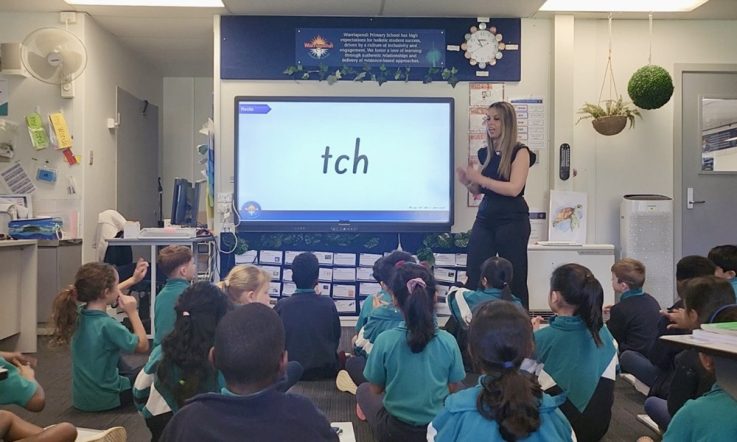
This is where the Science of Learning (SoL) based instruction entered the picture. The research around cognitive load theory, explicit teaching and retrieval practice informed how we designed lessons and interacted with students. It gave our staff a shared, evidence-based language for teaching that could sit alongside the cultural work we needed to do. The 2 threads – culture and instruction – weren't separate projects for our leadership team; they were 2 sides of the same coin. You cannot bed down explicit, cognitively demanding instruction in a classroom that lacks order, and you cannot claim a positive culture if the teaching happening inside it isn't rigorous.
The SoL journey had already begun at Parkhill during the COVID-19 pandemic – it was now more a matter of building on the bedrock that was in place, and making sure our cultural framework aligned.
A staged approach
We took a staged, multi-year approach rather than attempting a single dramatic reset with our SoL work.
In 2023, staff had already begun reframing the instructional model, which had explicit instruction at its heart. By term 4 of that year, we had started our School-Wide Positive Behaviour Support (SWPBS) work, ensuring that the conditions for learning were wrapping around our instructional model. During this time, we had a school review, and the leadership team set about outlining the explicit strategies and steps for our vision over the coming years. We spent a lot of time that year going back to Simon Sinek’s ‘Why’ theory (Sinek, 2011) – both staff and students critically examining our purpose and what our school stood for.
Shifting the school culture
The cultural shift really took hold in 2024. We built out our SWPBS framework in earnest; introducing a revitalised, culturally meaningful school-wide house structure, a refreshed uniform and logo that matched our branding of excellence, and a much clearer sense of school identity and behavioural expectations. This wasn't cosmetic; it was about giving students and staff a consistent, shared understanding of what being a Parkhill learner looked like.
Alongside this, we used Data Wise process (Harvard Graduate School of Education, n.d.) to focus our attention squarely on culture and behaviour data, and by the second half of the year we were rolling out school-wide expectations and Daily Review routines in our P-2 classrooms. On the instructional side, we began implementing an upper vocabulary and morphology focus, informed by the Little Learner’s Love Literacy, revised our Numeracy 2.0 scope and sequence, and introduced English 2.0 – all designed to bring more coherence and evidence-based rigour to what was being taught.
Working on culture and rigour at the same time
The 2 projects (culture and rigour) were running side by side. At the end of 2024 we had seen a small but distinct drop (4% decrease) in disruptive events in the classroom.
By 2025, the work moved from establishment to embedding. We ran a staff book club centred on cognitive load theory and the broader science of learning, developed a whole-school instructional playbook together, and extended Daily Reviews into our 3–6 classrooms. We introduced scaffolds to support teachers in both our inquiry-based units (to support explicit instruction) and Impact Curriculum frameworks to focus our evidence-based approaches to reading instruction. We sharpened our strategic focus on data and intervention, looking at what a multi-tiered system of support would look like both in and out of classroom. Explicit teaching became a genuine focus, underpinned by our growing understanding of cognitive load theory and the conditions students need to learn well. We also began preparing for QTR (Quality Teaching Rounds) to build peer-to-peer coaching and feedback specifically around explicit teaching practice and classroom norms.
By the end of 2025 our data reflected more than a 50% drop in disruptive events. Students have shown they have a clear understanding of what it means to be a Parkhill student, and they are proud of their achievements.
Refining routines
This year, in 2026, we've tightened up our routines further, refined our explicit teaching practices, continued our work on the playbook (now focusing on pedagogy routines as our cultural routines are embedded), and pushed further into using QTR as informing our work together as adult learners.
None of this was a solo effort. It involved our entire staff, our leadership team, and – critically – our students and families, who needed to understand and adapt into the cultural expectations we were setting. We drew on the OECD's evidence around learning environments and school leadership (OECD, 2010), alongside contemporary cognitive science research and other authors like Tom Sherrington, Nathaniel Swain and Tom Bennett.
The impact on student outcomes
Three-and-a-half years in, the results are speaking for themselves. Our 2026 NAPLAN data show genuinely outstanding achievement across the school. In year 3, 83% of students achieved strong or exceeding results in reading, 89% in numeracy, and 83% in writing – great results across every key learning area assessed. In year 5, the growth has been even more striking: 100% of our students achieved strong or exceeding results in reading, 97% in numeracy, and 83% in writing, with no students in year 5 requiring additional support in reading, numeracy or writing.
Our growth data tell the same story. Student growth in both reading and numeracy continues to exceed expectations.
Looking ahead
For a smaller school, 3 years into a massive cultural shift, we can safely say this year we are batting out of our crease! That’s not to say that next year will be like this; implementation dips are common and to be expected. But what is validating is that the staff and leadership vision have now – in 2026 - translated into the kinds of classrooms that are equitable for everyone.
What I find most meaningful about these results isn't just the numbers themselves, but what they represent: proof that the cultural and instructional work we set out to do together has had the intended effect.
Building well-structured learning environments genuinely does create the conditions for rigorous, explicit teaching to flourish and rigorous teaching, in turn, produces the kind of consistent, equitable outcomes we set out to achieve back in 2023. We are, as our staff and students say, building a culture of excellence where every learner can thrive, and this year we have the data to prove it.
References
Harvard Graduate School of Education (n.d.). DataWise Resources. https://datawise.gse.harvard.edu/resources
OECD. (2010). PISA 2009 results: What makes a school successful? Resources, policies and practices (Volume IV). OECD Publishing. https://doi.org/10.1787/9789264091559-en
Sinek, S. (2011). Start with why: How great leaders inspire everyone to take action. Penguin Books.
As a school leader, what evidence do you use to assess whether the cultural and instructional strategies currently in place are supporting staff and improving student outcomes?