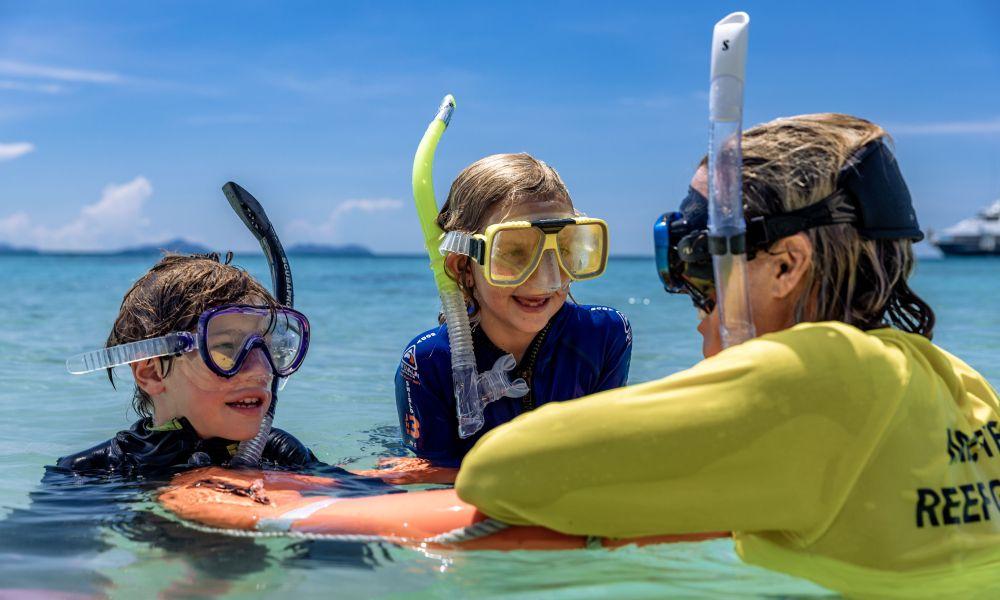
A school trip to Great Barrier Reef can be life-changing for some students, says educational leader Liz Hickman. ‘Whether they decide to take up marine biology or another science, or choose to improve their school attendance, these students find a sense of belonging and purpose, and their wellbeing increases.’
Other students in the class don’t miss out, either. The world of coral and sea creatures is so stimulating it’s impossible not to learn from it, says Hickman, the Assistant Director of Reef Education and Engagement at the Great Barrier Reef Marine Park Authority.
‘There are just so many connections students can make, through being on the water, snorkelling, working in a group or acquiring new skills. The Reef has such biodiversity it’s a living classroom. Students are immersed in a way that is so different to the typical classroom. Even if a tour doesn’t change a student’s life, it helps make the abstract concrete.’
New national rebate scheme for school Reef trips
Place-based learning, like a Reef educational tour, has long had its advocates. Now the Australian Government is empowering more schools to take the plunge.
The $6 million Kids for the Reef School Excursion Rebate Program provides financial support for curriculum-linked excursions to the Great Barrier Reef. Public, private, independent, Catholic and registered home schools are all eligible to apply for the program, which is administered by Austrade.
The rebates are weighted to particularly support schools outside major cities, and those with lower ICSEA (Index of Community Socio-Educational Advantage) scores, helping make the Reef more accessible to students who might not otherwise have the opportunity to visit.
The program aims to inspire a new generation to learn about, care for and advocate for this 344,400 km2 World Heritage Area, the world’s largest coral reef system.
‘We really look at Reef education with schoolkids as a catalyst for generational change,’ Fiona Merida, the Reef Authority's Director of Reef Education and Engagement, says. ‘Students are learning from the Reef, they’re being inspired by it and they’re seeing career pathways in the marine industry.’
Popular Reef experiences
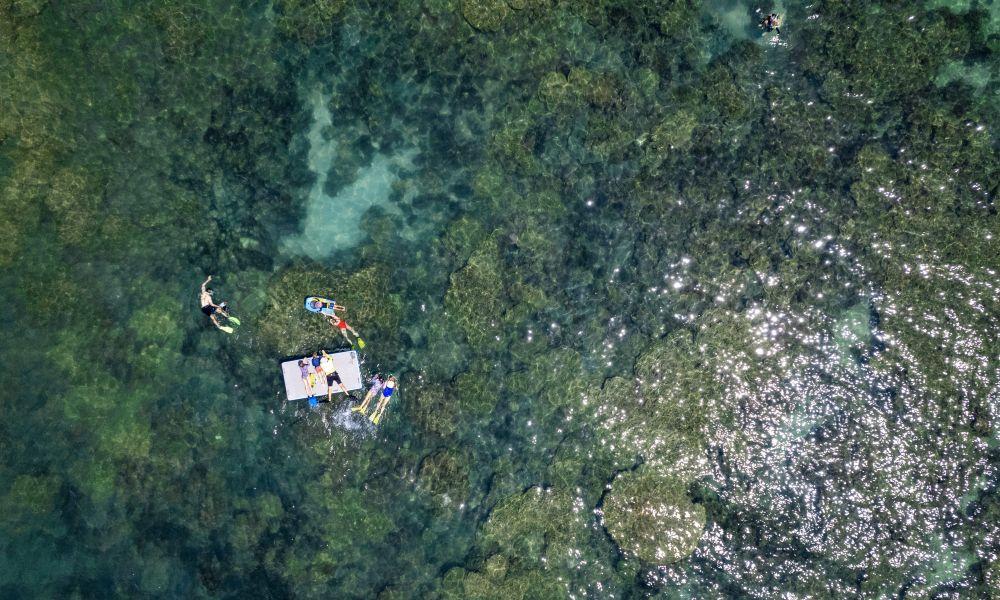
A standard way to introduce students to the Reef is a snorkel survey, in which students count coral or fish as they swim by. Glass bottom boat tours are another common choice, while school groups staying on islands often carry out beach profiles or intertidal ecology studies.
Environmental lessons about climate change and how to safeguard the Reef are another frequent theme. Other students learn how to identify and monitor Crown of Thorns starfish and get involved in conservation work to remove this coral predator.
The citizen-science possibilities are so numerous that some teachers design a whole unit of work around the Great Barrier Reef, says Hickman. A school trip there can either be an investigation to collate data or a culminating activity.
Down the years
Schools have been visiting this natural wonder at least since the 1930s. Newspaper reports document school groups making the journey to experience the Reef firsthand, with excursions often becoming memorable adventures as well as learning experiences.
Half a century later, the 2003 launch of the Reef Guardian School program put the Reef firmly on schools’ agenda. This Reef Authority initiative engages teachers and students in activities that protect and promote the sustainability of the Reef, providing resources aligned with the Australian Curriculum. It’s built a network of more than 600 schools and 330,000 students, including thousands who have travelled to the Reef.
Another major boost to Reef school excursions came in 2021 from a Queensland Government program, the Great Barrier Reef Education Experience Program (GBREEP). Offering Queensland schools and registered home educators subsidies of up to $150 per student to visit the Reef, GBREEP was established to support Reef tourism after the pandemic. Its popularity has seen it extended to 2029. More than 45,000 Queensland students have experienced the Reef through subsidised day trips or multi-day educational excursions under it.
Linking activities to the curriculum
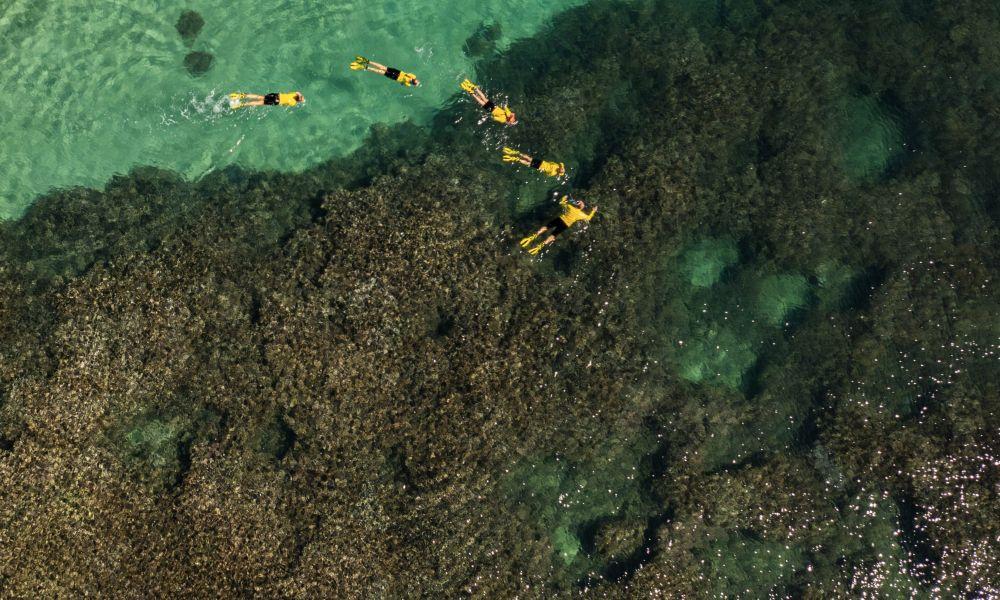
The Queensland program has demonstrably driven demand from schools for educational Reef tours, says the CEO of the Association of Marine Park Tourism Operators (AMPTO) Gareth Phillips. Federal funding under the Kids for the Reef program opens up a national opportunity to expand access to Reef-based learning experiences.
‘There’s great aspiration from schools and Reef tourism operators to deliver school education programs,’ Phillips says. And funding helps remove several entry barriers.
Organising a Reef tour is a major logistical endeavour for teachers, but a program like Kids for the Reef reduces the costs.
Aligning tours to the Australian Curriculum isn’t always a straightforward assignment for operators. However, 2 other federal funding programs associated with Kids for the Reef are helping. One is training operators to welcome more school groups on the Reef, the other providing them with grants for the equipment and other upgrades necessary.
This all builds on an excellent foundation already established by GBRMPA, through initiatives such as:
- creating a list of High Standard Tourism Operators, from which approved Kids for the Reef tour operators are now drawn
- developing a ‘Master Reef Guides’ program in 2019, with AMPTO and Tourism and Events Queensland, that recognises and accredits tour staff who are leading interpreters of the Reef environment.
Two Reef Authority tailored programs – ‘Be a marine biologist for the day’ and ‘Eye on the Reef’ – offer ready-made, curriculum-related activities for schools.
From across Australia to the Reef
With nowhere else on earth quite like the Great Barrier Reef, the learning opportunities are difficult to replicate anywhere else. With the Australian Government’s Kids for the Reef program now open for applications, the Reef Authority's Liz Hickman is optimistic about the possibilities.
‘Schools in faraway geographical locations in Australia might not have really engaged with the Reef,’ she says. ‘This program creates more of an opportunity.’
Hickman says these excursions often have an impact beyond the school gates, becoming shared experiences and community events that generate excitement among students, teachers and families.
‘Can you imagine what it’s like for students from the outback to see the Reef?’ Hickman asks. ‘What a different environment for them!’
Conceivably a life-changing event, even.
