Teachers are the unsung heroes and backbone of our society – providing invaluable guidance, support, and knowledge not only to our future generations but to people of all ages.
Learning doesn’t stop in the classroom; a good educator builds a legacy that goes beyond the job. It’s clear that teachers play a valuable role in today’s society, and through ongoing professional education, they can continue providing an integral service to local communities.
If you’re a teacher, developing leadership skills through continued professional education can enhance your skills and build a legacy that goes beyond the classroom. Courses like Rockhurst University Ed.D. programs equip educators with the skills needed to influence educational practice, strengthen school communities, and leave a lasting mark.
The value of teachers
From kindergarten through to year 12, children will spend around 9,000 hours with educators in a school setting (Parent Cue, n.d.), highlighting the importance of the time spent with their teachers.
For the most part, teachers work in this profession because they’re passionate, and also because they care. Teachers reportedly often earn USD 120 less per week than other professionals with similar skills and education. Compared to other degree-educated professions, like IT and engineering, teaching salary growth is stagnant (Parent Cue, n.d.).
In Australia, especially in Victoria, the ‘education state’, teachers, principals, and education support staff are underpaid and work unpaid overtime. Almost two-thirds of teachers report high levels of stress, and more than 80% report that the role negatively impacts their mental health (We Are Union VTHC, 2026).
Despite the stress and working conditions, however, teachers persist as integral members of local communities, acting as role models for our youth. The many positive impacts educators can have on their students include:
- Creating a positive learning environment
- Ensuring students feel safe, supported and appreciated
- Teaching effective communication, problem-solving and collaboration skills
- Fostering emotional wellbeing
- Supporting social development

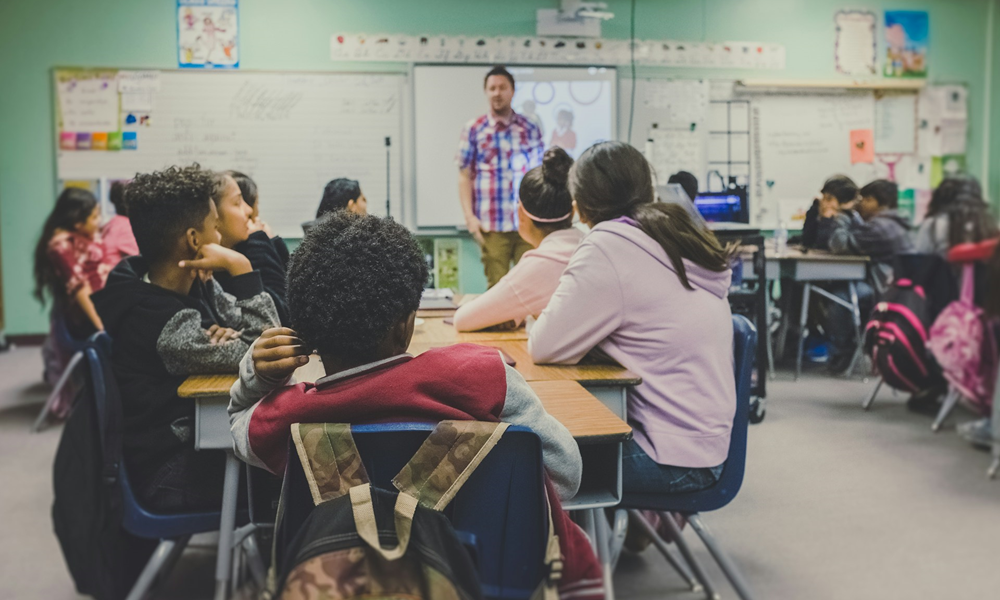
©Taylor Flowe/Unsplash
An educator’s true legacy
While a teacher must be effective in the classroom and be able to clearly communicate ideas and skills to students, their true legacy is what comes after. The real measure of a teacher is the lasting impact they leave on their students, well after they graduate and leave the school halls for good.
Research shows that almost three-quarters of Australians believe their teachers positively impacted their lives (Teacher’s Health, 2022). Many Australians also report that their teachers played a crucial role in helping them learn important life skills outside the curriculum, including:
- Growth (69%)
- Confidence (68%)
- Values (66%)
- Teamwork (61%)
- Leadership (54%)
These skills are all ‘noncognitive skills’, which are essential later in life and listed as crucial for workplace success (Indeed, 2025).
The ripple effect on students
Data show that the average teacher affects over 3,000 students over the course of their career (Tornio, 2019). As their combined role of a leader, educator, and role model, teachers are in a unique position to influence the course of their students’ lives.
Some other statistics about the ripple effect teachers can have on students:
- 98% of people believe that a good teacher can change the course of a student’s life
- 88% of people say their teacher had a positive impact on their life
- 79% of students say that a teacher encouraged them to follow their dreams
- 75% of people say that teachers are mentors and role models
- 83% of students report that their teachers helped improve their self-esteem and confidence
The importance of ongoing learning

©Jeswin Thomas/ Unsplash
Ongoing learning, or lifelong learning, is important in every industry. The term refers to when a person continues their professional development, whether it’s through higher education or beyond a formal classroom.
For educators, it’s just as essential. To ensure that students are receiving the best quality of education available, teachers must pursue ongoing learning and professional development to stay up to date with continuous improvements in the realm of education.
On a personal level, with the right experience and qualifications, a teacher can aim to climb the career ladder into leadership positions that allow them to make a real difference by influencing current and future educational practices. For teachers looking to build a meaningful legacy beyond the classroom or their job title, higher education that also provides leadership skills is a great pathway, equipping educators with the expertise to influence the school system beyond the traditional classroom setting.
As role models and leaders in their field, teachers play a central role in the upbringing of future generations. Teaching is a high-expertise profession, and an educator’s role in society is irreplaceable. They teach students not only a range of technical, knowledge-based skills, but also support them in developing the social and emotional intelligence they need to become successful adults.
For more information on the Rockhurst University Ed.D. programs, visit our website.
References
Indeed. (2025, November 13). The importance of soft skills: 7 key reasons explained. Indeed. https://au.indeed.com/career-advice/interviewing/importance-of-soft-skills
Parent Cue. (n.d.). Bridge the gap between home and the classroom. Parent Cue. https://theparentcue.org/bridge-the-gap-between-home-and-the-classroom/
Teachers Health. (2022, October 28). Australian teachers leave long-lasting positive impact, new research shows. https://www.teachershealth.com.au/newsroom/media-releases/australian-teachers-leave-long-lasting-positive-impact-new-research-shows/
Tornio, S. (2019, May 15). 12 powerful statistics that prove why teachers matter. We Are Teachers. https://www.weareteachers.com/teacher-impact-statistics/

