The 2026 winners for the Australian STEM Video Game Challenge have just been announced.
The free national competition, run by the Australian Council for Educational Research (ACER), has invited primary and secondary students to build their skills in STEM by designing and developing their own video game since it launched in 2014.
This year marks the final round of the challenge. Over the last 12 years, more than 16,000 students in years 3-12 have created video games inspired by the yearly theme under the support of a team mentor (typically a teacher).
For 2026, the challenge theme was Ocean. Students were tasked with creating a game where ocean is the key idea and invited to think about the vastness of the ocean, the related environmental challenges, and creatures living in the ocean.
‘This year’s Ocean theme sparked remarkable creativity, with students blending technical coding skills with powerful messages about marine conservation,’ Cathy Zemaitis, Head of Division, Student Learning and Progress, at ACER says.
‘The quality of entries, from strategic 2D tower defence games to fast-paced 3D worlds, shows just how much young designers can achieve when given the tools to innovate.’
The winners were announced live earlier today at an online event. Here’s the full list of winners for 2026!
Years 3-6 open platform
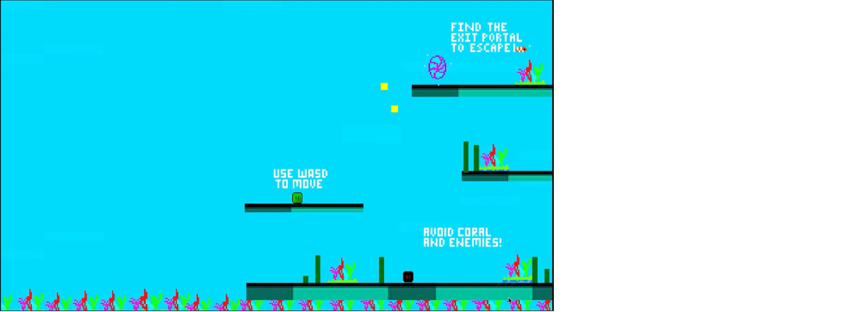
Riptide Run, by Morten, Aiden, Caleb and Ryan from Chrysalis Montessori School, Western Australia – team CMR4
Developed using the platform GDevelop, this game requires players to dodge seaweed, coral and other enemies to stay alive in an ever-progressing platform world with multiple levels.
Years 3-6 Scratch
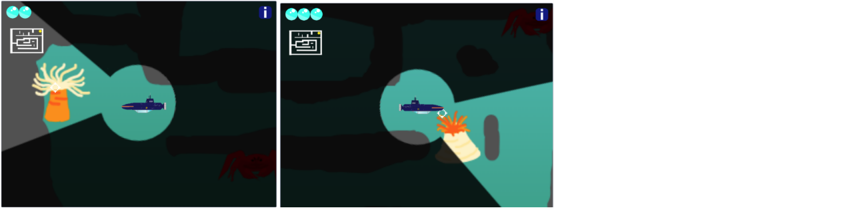
Below The Blue, by Evans, Jiwoo and Jerome from Ryde Public School, New South Wales – team The Subnauticals
This futuristic game is set in the year 2222, where you take on the role of a pilot of a Mars vehicle that has crashed into the depths of the Bermuda Triangle. You must navigate tricky deep sea environments and the threat of running out of oxygen to save your fellow astronauts.
Years 7-9 open platform
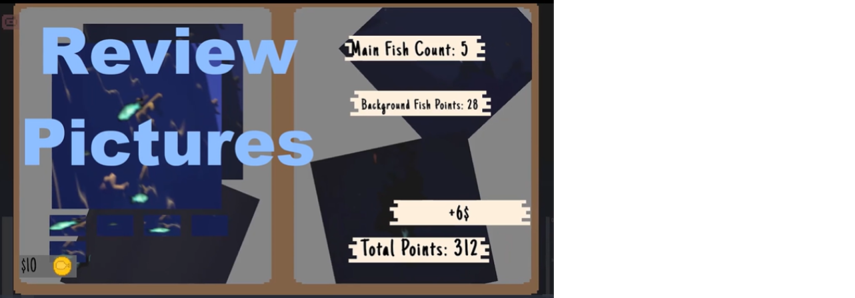
Capture the Ocean, by Aiden, Zoharel and Matteo from Code4Fun Sydney Programming School in Victoria – team OverGamesByNow
This game was designed for users to freely explore the ocean and take pictures of the more than 40 fish that feature. Developed using the platform Unity, players can create a catalogue of their photos and access other features like a shop and other upgrades.
Years 7-9 GODOT
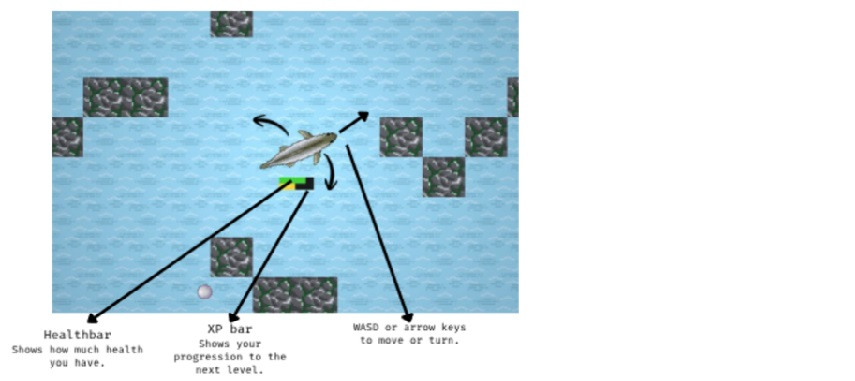
Pelagico, by Jeremy, Vincent, Lucas and Justin from North Sydney Boys High School, New South Wales – team Node Zero
Players of this game take on the role of a small fish and must defeat enemies – such as crabs, squid, scallops and sharks – to survive and grow. Defeating enemies increases your fish’s health score and, if you beat the final squid, you win the game.
Years 10-12 open platform – first place
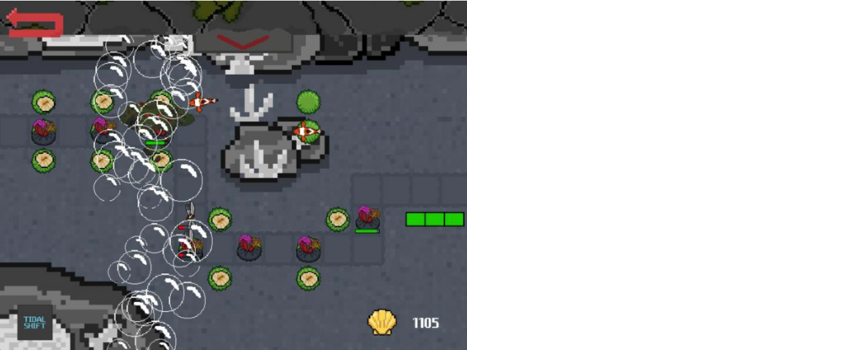
Tidal Defence, by Marcus, Jacob and Aarav from North Sydney Boys High School in New South Wales – team MAJic Trio.
This is the second team from North Sydney Boys High School to win.
Inspired by the need to protect the ocean against harmful plastics, this game – developed using Pygame Zero – tasks players with deploying clownfish, barnacles, anemone, sharks and whales to defend the ocean against pollution.
Years 10-12 open platform – second place
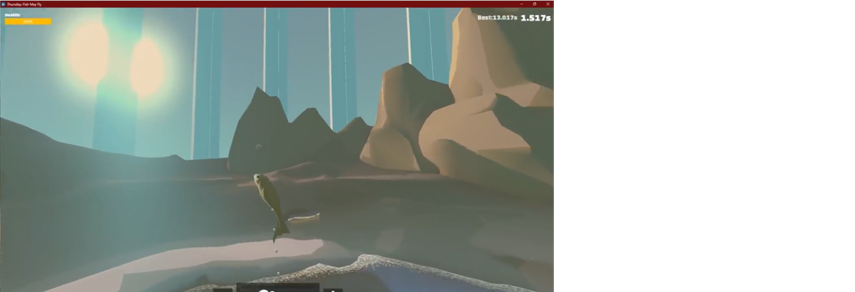
Thursday: Fish May Fly, by Sarah and Kshitij from St Aidan’s Anglican Girls School and Brisbane Boys College, Queensland – team Lobster & Fish.
Team Lobster & Fish used GODOT to create Thursday: Fish May Fly – a 3D game where the main character is a fish trying to stay out of water for as long as possible without dying. The game was named runner-up for the Year 10-12 open platform category.
The STEM VGC throughout the years
Teacher has had the pleasure of covering the STEM VGC since the challenge launched in 2014. Click on the links below to look back on the winning student teams from the last 12 years (except for 2020, when the challenge did not run due to COVID-19).
‘By fusing science, technology, engineering and mathematics into an unforgettable creative experience, the Australian STEM Video Game Challenge has equipped thousands of students with the real-world coding and problem-solving skills to launch future careers in STEM,’ Zemaitis says on its success.
The Australian STEM Video Game Challenge website contains a range of free curriculum-aligned resources for primary teachers, secondary teachers and secondary students. They will remain available until the end of Term 1, 2027.
Secondary teachers seeking collaborative, real-world STEM initiatives are also encouraged to explore ACER’s International Mathematical Modelling Challenge, which tasks students with applying mathematics to solve complex practical problems.
