Filter by category
‘Be innovative’, ‘Look after your mental health’. Our survey asked Teacher readers to share advice. Here are some of their tips.
Teacher chats to John Burns in China about creating a school social media presence and showcasing teaching and learning via Twitter.
Setting high expectations, putting faces on the data and making student growth visible to the whole community has helped accelerate literacy learning at this school.
Teacher contributor Hedley Willsea offers his tips on how fellow educators can share their work with the wider community by getting published.
‘When we can see an opportunity, we can think about what’s possible and then wonder how we can make it happen.’ Fiona Gordon discusses how allowing students to construct their own knowledge can create change.
Susan Caldis gives us the lowdown on a book designed to encourage critical self-reflection and personal development.
A focus on developing student writing skills shouldn't just be confined to the English classroom - this school is using a team teaching approach across three subject areas.
An independent study shows 26 per cent of Australians aged 12 to 17 participate in some form of piracy activity.
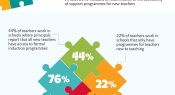
To what extent are new teachers supported once they are employed in a new school? OECD data provides some interesting insights.
School-based action researchers share their stories in today’s video.
Facebook
YouTube
SoundCloud
Apple Podcasts
Spotify
RSS feed
Linkedin