Greg Whitby speaks to Rosei Espedido, Maths and Science teacher at Parramatta Marist High School, about the school’s approach to project-based learning.
Project-based learning and problem-based learning - what is the difference? Dr Chris Campbell discusses.
In the final part of his series on classroom discipline, Dr Bill Rogers takes you through how to follow up with a student beyond class time.
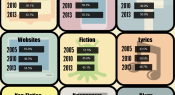
Have the reading formats that young people engage with outside class time changed since 2005? Find out in this Teacher infographic.
The effectiveness of homework continues to be a hotly debated topic, but what does the research tell us? Jo Earp explores.
Britt Gow reviews the Dino-lite handheld digital microscope and explains how it complements the science curriculum at her school.
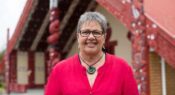
We speak to Mere Berryman, from the University of Waikato in Hamilton, about a program aimed at increasing engagement among Maori secondary school students in New Zealand and the implications for educators here in Australia.
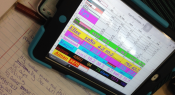
The students at this Victorian school are using Google Sheets to access collaborative environments and work online with peers and teachers.
The Arts have a potential for personal transformation and to facilitate social change. They are inclusive and are a natural part of everyday life, bringing student’s lived experiences into their learning. Suzanne Power discusses.
Greg Whitby speaks to Dr Miranda Jefferson about a new approach to schooling designed to meet the needs of today’s learners.
Facebook
YouTube
SoundCloud
Apple Podcasts
Spotify
RSS feed
Linkedin