Filter by category
At Tulliallan Primary School in Melbourne, teachers and students have been working with local Indigenous groups to create an immersive Acknowledgement of Country. STEM teacher Nick Pattison shares the story from different perspectives.
In this episode of our Teaching Methods series we talk to Maura Manning, Director of Learning at the Catholic Education Diocese of Parramatta, about the blended learning model at School of Now – what it means for teachers and teaching, the focus on equity of access, and how students are supported in their learning.
Changing school practices means everyone working together – leaders, teachers, support staff, students, parents and the wider community – toward the goal of improving outcomes for students. In today’s podcast, we share some recent Teacher highlights on the topic of school improvement.
Teachers are asked to respond to new and uncertain situations all the time – from keeping abreast of subject knowledge updates to making quick pivots when a lesson isn’t quite going to plan. Dr Rebecca Collie joins us in this podcast episode to discuss teacher adaptability.
Since 2018, a Tasmanian primary school has been on a journey of school improvement which as seen significant progress in student engagement and achievement, as well as staff retention and teacher welfare. The Principal and Assistant Principal join us in this podcast to discuss how this was achieved.
Researchers from the University of Newcastle’s Teachers and Teaching Research Centre, Laureate Professor Jenny Gore, Associate Professor Jess Harris and Dr Drew Miller discuss their latest research that explores the impact of Quality Teaching Rounds on student outcomes.
The Collaborative and Reflective Practices Program at Brisbane’s Villanova College aims to improve teaching practice by bringing teachers together, to allow them to collaborate and discuss the impact they have on their students, and implement new strategies with the support of their peers.
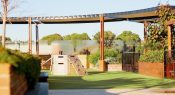
What is biophilic design? How does it differ from sustainable design? And why should schools be taking a lead from early childhood settings in adopting this approach for projects and programs? Architect and author Sarah Scott discusses biophilic design and its benefits in today’s article.
Queensland educator Chris Buswell is passionate about integrating technology into science. He’s partnered with local universities and schools overseas to improve student outcomes in STEM and joins us in today’s podcast episode to discuss his work.
With Indigenous Literacy Day coming up, in this edition of Researching Education: Five further readings, we’re bringing you five resources that relate to Indigenous literacy.
Facebook
YouTube
SoundCloud
Apple Podcasts
Spotify
RSS feed
Linkedin