Filter by category
In this episode of our Teaching Methods series we talk to Maura Manning, Director of Learning at the Catholic Education Diocese of Parramatta, about the blended learning model at School of Now – what it means for teachers and teaching, the focus on equity of access, and how students are supported in their learning.
Always was, Always will be is the designated theme for NAIDOC Week 2020, which is being celebrated this week across the country. Here, we take you through some of the resources developed for classroom educators to assist with lesson planning.
In this edition of Researching Education: Five further readings, we are looking at five resources on the topic of enterprise education, including open access research papers from various online databases.
‘There are several cognitive strategies that support the development of resilience … these are the skills we want to encourage children to develop in the early years.’ In part two of her series on resilience, Dr Sarah Tillott discusses the adaptive and maladaptive traits of resilience.
Dr Pauline Ho and Dr Katherine Dix share the findings of a systematic review investigating the impact of wellbeing-related interventions on student academic and wellbeing outcomes, including four ingredients for effective implementation and three recommended actions for schools.
At the start of the millennium, students around the world participated in PISA (the Programme for International Student Assessment) for the first time. Twenty years on, what can the wealth of data collected so far tell us about education in Australia?
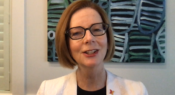
In this special video for Teacher on World Teacher’s Day in Australia, Julia Gillard takes the opportunity to thank educators for their extraordinary efforts this year, recognising their exceptional resilience and commitment in such a landmark year.
Changing school practices means everyone working together – leaders, teachers, support staff, students, parents and the wider community – toward the goal of improving outcomes for students. In today’s podcast, we share some recent Teacher highlights on the topic of school improvement.
‘Being exposed to adversity is inevitable. How we manage and adapt as a response is what can make the difference between poor outcomes, or outcomes that signify growth from the experience.’ Dr Sarah Tillott explores resilience theory and the brain, and the importance of developing resilience skills from an early age.
In Australia, enterprise education is often associated with General Capabilities and 21st Century skills such as critical and creative thinking, communication and collaboration, but it also helps to develop non-cognitive skills like self-confidence and teamwork. Teacher is excited to be the media partner for a novel research project working to understand Australian teachers’ perspectives about enterprise education. Find out more in today’s article.
Facebook
YouTube
SoundCloud
Apple Podcasts
Spotify
RSS feed
Linkedin