Filter by category
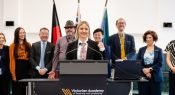
The transition from being a 'good' teacher to an 'exceptional' one often requires more than just experience; it can be enabled by a deliberate, evidence-informed space for reflection and inquiry. This is the core mission of the Victorian Academy of Teaching and Leadership, whose flagship Teaching Excellence Program and Teaching Impact Fellowships are reshaping the professional landscape. Find out more in today’s article.
We know that early literacy development is not uniform. Understanding students’ strengths and identifying gaps to plan for the next steps, including targeted support where needed – and doing this as early as possible – is a challenge for teachers. A new assessment program from ACER aims to spot literacy difficulties before children fall behind and these gaps widen.
‘How can schools help young people learn to use AI thoughtfully, ethically and effectively?’ In today’s article Kara Baxter – Deputy Principal, Learning and Teaching, at Strathcona Girls Grammar School in Melbourne, Victoria – shares the thinking and process behind the development of the school’s AI policy.
AI tools are becoming more embedded in students’ lives. At Teacher, we know this is an area where educators are seeking practical support and so this month, we’ve published a range of articles to help. In today’s Teacher Staffroom episode, I’ll take you through the key highlights, along with a few extra pieces you won’t want to miss.
Recently the winner of the Global Schools Prize was announced – chosen from over 3,000 nominations. Excitingly, Australia’s Larrakeyah Primary School in Darwin were named as a finalist for the prize. In this episode, Dominique Beech is joined by Fathma Mauger to hear all about the custom-built AI writing platform they were recognised for.
New research involving almost 4,000 students aged 13-18 in the UK has found many are divided over appropriate use of AI in their homework and a majority would like to see their teachers use AI in the classroom. The research also asked students and their teachers what support they would like to receive on AI. Find out more in this article.
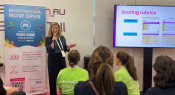
At EDUtech 2026, the Teacher team caught the Australian STEM Video Game Challenge presentation hosted by Lisa van Beeck, ACER Research Fellow and Project Director for the challenge. In this exclusive video for Teacher readers, we recorded the presentation in full. You’ll hear van Beeck walk delegates through the challenge itself and highlight the suite of teacher resources designed to support it.
Absent students miss more than just lesson content; they miss the opportunities to build the habits and skills to succeed at school and in life. New OECD research shows ‘school attendance problems are no longer a marginal issue; they have become a challenge affecting classrooms in nearly every country’.
In this podcast, Dominique Beech hears from Joanna Baker, Head of Campus at Haileybury Pangea – the fully online campus of Haileybury, and independent co-educational school. The online campus serves approximately 180 students from a range of backgrounds across Australia and in this episode we hear all about what it’s like to teach students in a virtual classroom setting.
A collaborative study involving Aboriginal Elders, families, educators and children across 3 urban schools in Perth, Western Australia, is working to deepen Aboriginal children’s understanding of, and pride in, who they are by strengthening their connections to culture, Country and kin. Professor Cheryl Kickett-Tucker from Curtin University tells us all about the Moombaki Cultural Learnings Project and the impact it is having on Aboriginal students.
Facebook
YouTube
SoundCloud
Apple Podcasts
Spotify
RSS feed
Linkedin