Filter by category
It’s been a big year for Teacher magazine podcasts – we recently broke through the 100 000 listens milestone! To mark the end of another great 12 months, we have put together some clips from our favourite podcasts for 2017.
Australian students’ positive attitudes towards civic information, ideas and action, Indigenous cultures, and diversity have increased further according to new National Assessment Program – Civics and Citizenship (NAP-CC) data, released today.
Western Australia’s Butler College has created a culture of continuous learning and development for all of its staff. This long-term, whole-school approach focusses on improving the skills and capacity of all staff (including non-teaching staff) through various means, including action learning projects and peer-to-peer support and coaching.
In today’s Behaviour Management podcast we talk to Dr Anna Sullivan from the University of South Australia. Here, she shares her insights into what it means to enact respectful, school-wide behaviour policies and the role of school leaders in doing so.
Staff at Queensland’s Anglican Church Grammar School (better known as Churchie), have captured Year 10 reading data as part of an action research project into male students’ perceptions of their reading ability pre and post an intervention of taught reading strategies.
Following her keynote address at ACER’s Research Conference 2017 in Melbourne, Distinguished Professor Viviane Robinson sat down with Teacher editor Jo Earp to discuss ways in which educational leaders can go about discussing issues or problems that arise in the workplace.
Earlier this year, Phil Beadle spent a month in Australia conducting one-day workshops to share his expertise in literacy and behaviour management with Australian educators. In his first contribution for Teacher, he shares his response to the question he was asked most while on tour.
In this instalment of The Research Files we discuss student fitness and wellbeing, specifically, two simple exercise programs – the first is a new project aimed at improving adolescent health and wellbeing, and the second is being used by thousands of early years and primary students across the world.
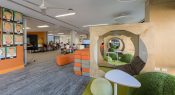
It’s Learning Spaces Month here at Teacher. At the beginning of the 2017 school year, Harbord Public School opened the doors of their brand new three-storey innovative learning environment. In today’s article we speak with Year 5 teacher Amber Fuller about how the students and teachers have settled in.
For the last three years school leaders and staff at Jordan River Learning Federation Senior School have been focusing on evidence-based teaching and reflection. It’s included the development of a professional learning approach called CCRP – Connect, Collect, Reflect and Progress.
Facebook
YouTube
SoundCloud
Apple Podcasts
Spotify
RSS feed
Linkedin