Filter by category
In this special end of year episode, we take a trip down memory lane and select some of our favourite Teacher podcast moments from 2018.
In the third article in a series related to ACER’s Communication Student Learning Progress project, Dr Hilary Hollingsworth and Jonathan Heard highlight some of the observations that they’ve made in their early analysis of teacher comments on school reports.
Schoolwork-related anxiety and test anxiety have a negative impact on student academic performance and wellbeing. The 2015 Programme for International Student Assessment (PISA) surveyed 15-year-olds about schoolwork-related anxiety.
Australian high school students experience higher levels of schoolwork-related anxiety than their OECD peers, according to a new report released by the Australian Council for Educational Research.
Dr Lyn Sharratt explores three practical learning, teaching and leading approaches – writing to improve critical literacy skills, bump-it-up walls, and collaborative assessment of student work – that each support teachers’ focus on creating critically literate graduates.
At Bradshaw Primary School in the Northern Territory, the use of Professional Learning Communities has included implementing Collaborative Learning Teams (CLTs) in order to improve the reading results of students.
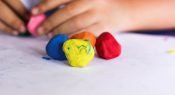
The Arts are a required element of teaching K-2 in Australia and coexist with learning in the early years classroom. In today’s reader submission, Karen Watson and David Roy explore how they can be implemented in practice.
To increase the leadership capacity of principals in South Africa, Dr Louise van Rhyn founded a program named Partners for Possibility, which pairs business leaders with principals for a 12-month structured leadership development program.
A new map has been created to help teachers, students and industry connect with STEM-related programs and resources on offer to secondary schools in Victoria.
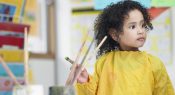
The importance of early childhood learning as a foundational building block to lifelong learning is well recognised. This is the first article of two that will explore the place of the Arts in early learning in Australia.
Facebook
YouTube
SoundCloud
Apple Podcasts
Spotify
RSS feed
Linkedin