Filter by category
Early years classroom practitioners need to devote more time to teaching writing, including explicit handwriting instruction, according to research findings from an Australian study.
Phil Beadle is a teacher, education consultant, public speaker, author and broadsheet columnist. In today’s podcast, the UK educator joins Teacher magazine to discuss behaviour management, but in particular, the different de-escalation techniques that educators can use to manage challenging behaviours in their classrooms.
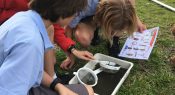
It’s STEM month at Teacher magazine and to coincide with National Science Week, we speak with Lara Pratt from Kincumber High School. In the lead up to National Science Week, her students have been conducting water quality tests and macroinvertebrate surveys down at their local waterway.
Being asked to present to the entire class can be a nerve-racking experience for students. In our latest reader submission, two US educators explain how ‘Speed Sharing’ can be an effective, non-threatening alternative.
In today’s leadership Q&A, Teacher talks to Distinguished Professor Viviane Robinson from New Zealand about the challenges and complexities of school leadership, good goal setting and principal professional development.
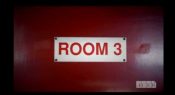
Once a fortnight Teacher ventures down to Room 3 – the basement library archives at the Australian Council for Educational Research – to bring you education quotes from yesteryear.
The 2017 Teacher reader survey is now live. We invite you to not only share your feedback or suggestions for future stories, but to also let us know how you’re using Teacher articles, videos, podcasts and infographics in your role as an educator.
A new Australian Education Review argues active engagement of Indigenous families and communities is critical to addressing Indigenous education disadvantage.
In an effort to better reach students who aren’t engaged in reading, writing and storytelling, staff at this New South Wales school decided to run a literary festival for Year 7 students, inviting a range of different authors, poets, cartoonists, illustrators and performers to run workshops on the day.
Teachers in any classroom can use samples of work in addition to assessment rubrics to create opportunities for students to evaluate, improve and take ownership of their own learning, explains educator Elizabeth King in our latest reader submission.
Facebook
YouTube
SoundCloud
Apple Podcasts
Spotify
RSS feed
Linkedin