Filter by category
Children aged 8-14 in Australia recently submitted a 100 word story responding to the prompt ‘A different world – living in lockdown’ for a story-writing event. Their word choices were analysed and in this infographic, we see how their word choices compare to previous instalments of the event.
Our annual reader survey has just opened for another year. It’s an opportunity to tell us more about your interests, concerns and experiences as an educator, and to let us know what content you’d like to see from us next.
Which is more creative, the Arts or the sciences? Professor David Cropley from the University of South Australia joins Teacher for today’s podcast to discuss this question and to delve into his research into whether any specific differences exist between creativity in the Arts and creativity in STEM.
‘Students’ questions made it apparent that they were still confused about the next steps in their learning. … Why didn’t they value the feedback?’ In today’s article, Head Teacher at Al-Faisal College Omar Jamal shares how developmental rubrics have improved student learning.
A few reports have been released lately which point to how we’re tracking across the world when it comes to equality and equity in education. In today’s podcast we catch you up on the latest evidence, insight and action in education.
The sixth annual Teacher survey goes live next week. Each year, we ask readers to share a piece of advice. In today’s infographic we share some of the responses we’ve received on teaching and leading. What would your piece of advice be?
‘The self-regulation of learning is being increasingly recognised as an important factor when investigating barriers in the transition from secondary to higher education.’ New research from Flinders University suggests self-regulated learning is a valuable tool that could help ease the transition to university for senior secondary students.
Pre-service teachers in Queensland who have had the final year of their course disrupted by COVID-19, have been creating and delivering online learning resources to students, as an alternative to school placements. Here, we speak to pre-service teachers about their experiences.
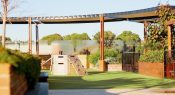
What is biophilic design? How does it differ from sustainable design? And why should schools be taking a lead from early childhood settings in adopting this approach for projects and programs? Architect and author Sarah Scott discusses biophilic design and its benefits in today’s article.
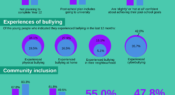
A recent survey conducted by Mission Australia highlights how the experiences of young people with a disability differ to young people living without disability. Topics included inclusion, issues of personal concern and post-school plans. Here, we look at how some of their responses compare.
Facebook
YouTube
SoundCloud
Apple Podcasts
Spotify
RSS feed
Linkedin