Filter by category
Parents, grandparents and guardians want more support from teachers and schools when it comes to helping their children develop social and life skills, such as how to behave in public, according to an Australian study.
'To be truly inclusive is challenging but is also easily undertaken with thought and sometimes a re-positioning of default language and practice.' David Roy, Lecturer in Education and Creative Arts discusses the keys to inclusive practices in the classroom.
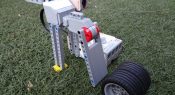
Can computers think? What is intelligence? Can we build a robot that learns from its past experiences? These are some of the tricky questions Year 6 students have tackled as they explore the role of robots and machine technology in society while learning to code.
A government advisory panel has recommended the introduction of national literacy and numeracy checks in Year 1 as a way of identifying students who need additional support. Here we take a closer look at the report, including the benefits and challenges raised by teachers and principals.
Our annual Teacher reader survey encouraged educators to tell us how they’re using our articles, videos, podcasts and infographics in their professional settings. Hundreds of you shared your insights – here’s a selection.
Thinking about how to engage, motivate and challenge students is all part of good lesson planning. Moving beyond the classroom, the same considerations can apply when creating and updating outdoor spaces for recreation and physical education.
The term ‘teacher wellbeing’ has become quite loaded in recent times, particularly with recent research highlighting the substandard health and wellbeing of school leaders. In today's reader submission Kelly Rothwell shares three simple tools that can quickly enhance your wellbeing.
In this episode of The Research Files we visit the University of Queensland to speak with Professor Annemaree Carroll and Dr Julie Bower, to find out about a teacher wellbeing study looking at the impact of two stress intervention programs.
Following the release of its Teaching Sport to Children discussion paper, the Australian Sports Commission wants to hear from teachers about a range of issues, including professional development needs, and building links with parents and volunteers.
A school staffroom is the place in which educators spend the majority of their non-teaching school time. In today’s article, a West Australian principal shares why he believes a staffroom is important for improving staff wellbeing, and building a sense of community and connectedness.
Facebook
YouTube
SoundCloud
Apple Podcasts
Spotify
RSS feed
Linkedin