Filter by category
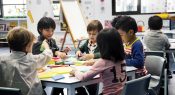
A new research-based series encourages early years educators to take advantage of everyday teaching and learning opportunities to improve young children’s scientific understanding, and shares four step-by-step activities for the classroom or learning at home.
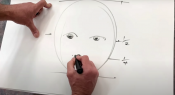
In the second of two articles, Kate Coleman and Abbey MacDonald explore some of the resources to eventuate from the creative pressure cooker circumstances of the COVID-19 lockdown, and how they can be used to maximise studio time and learning into the future.
In the first of two articles, teacher educators Kate Coleman and Abbey MacDonald share practical examples of how visual arts teachers and artists transformed the ways they connected and communicated with students, and each other, during the height of the COVID-19 lockdown to ensure a continuity of learning.
‘In school communities we are indeed “all in this together” however, that does not mean one context fits all.’ In today’s article, Dr Helen Street discusses the importance of acknowledging students’ different experiences, the need for positive relationships, and providing opportunities for autonomy and agency.
Teacher content draws on the wealth of knowledge and expertise that exists within the education community. This month, we’ve had the opportunity to speak with several experts in education on a range of different topics, and in today’s podcast, we take you through some of the highlights.
Many experienced teachers will have had to draw on their knowledge of good classroom practice to navigate the move to remote teaching and learning during the COVID-19 pandemic. But for beginner teachers like Savannah Epskamp, starting a teaching career in the middle of the pandemic was a whole unique challenge in itself.
This month’s edition of Researching Education: Five further readings explores early childhood education. We’ve gathered five further readings available on this topic, including open access research papers from various online databases, and Teacher archive content you might not have come across yet.
In today’s podcast we’re talking with Professor Pauline Taylor-Guy about continuity of teaching and learning during COVID-19, trying to understand and mitigate the impacts on student outcomes, how schools have adapted to ‘emergency remote teaching’, and how the experience could lead to future changes and innovations in practice.
What is epilepsy? How does the condition impact on a student’s learning? And what do school leaders, teachers and anyone with a duty of care in K-12 settings need to know? In this Q&A, Teacher speaks to Wendy Groot, President of Epilepsy Australia, to find out more.
Professor Pasi Salhberg from the Gonski Institute at UNSW Sydney joins Teacher to discuss the findings from Phase 1 of the Growing Up Digital Australia study. It’s an ongoing research project that explores how the widespread use of media and digital technologies is impacting the wellbeing, health and learning of Australian children.
Facebook
YouTube
SoundCloud
Apple Podcasts
Spotify
RSS feed
Linkedin