Filter by category
Learning Specialist Angela Myler says an understanding of the complexities of twice-exceptional students is paramount to be able to cater to their diverse learning needs, so that both disability and gifts are given the attention they deserve.
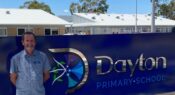
School Assembly is the podcast that explores what it takes to build a new school from the ground up. In Series 1 we’re following Principal Dr Ray Boyd and Associate Principal Rachael Lehr as they navigate the exciting and challenging journey in Western Australia. It’s the start of the school year and Dayton Primary School is about to open its doors to the first students. Episode 6 is all about building the foundation staff.
What leadership styles were important for principals as they navigated the challenges associated with COVID-19? How can school leaders partner with community to bring sustained change? In this edition of Researching education: 5 further readings, we share 5 readings on the topic of leadership, which address these questions.
The 2022 winners of the Prime Minister’s Prizes for Excellence in Science Teaching have just been announced. In this article, we share the contributions the primary and secondary school teachers are making to Science education.
In the second part of a Q&A with Teacher, Senior Lecturer in the School of Education Culture and Society at Monash University, Dr Kristin Reimer, explains how a Restorative Justice Framework can be understood and used within a school context.
In this Q&A, Senior Lecturer in the School of Education Culture and Society at Monash University, Dr Kristin Reimer, unpacks the philosophical framework of Restorative Justice and how this framework can be understood within a school context.
In this episode of our podcast series School Assembly, we speak with Principal Ray Boyd and Associate Principal Rachael Lehr about all things ‘planning’ in the lead up to the opening of Dayton Primary School in Western Australia next year.
In this episode, we’re joined by two international guests ahead of their presentation at ACER’s Research Conference 2022, Louisa Rosenheck from Kahoot! and YJ Kim from the University of Wisconsin-Madison. They share what playful assessment is, and how teachers can embed this practice in the classroom.
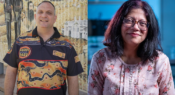
‘Understanding how students construct information from their prior knowledge … allows classroom educators to determine the extent and type of unlearning needed before introducing new, challenging and truthful information.’ Associate Lecturer Justine Grogan shares some of the findings of her research in Indigenous Education.
Attending a professional learning event is a great way to reflect on what’s happening in your own school and improve practice. For leaders at this Brisbane college, it prompted a new approach to supporting and retaining pre-service and early career teachers. Find out more in today’s Q&A.
Facebook
YouTube
SoundCloud
Apple Podcasts
Spotify
RSS feed
Linkedin