AI tools are becoming more embedded in students’ lives. At Teacher, we know this is an area where educators are seeking practical support and so this month, we’ve published a range of articles to help. In today’s Teacher Staffroom episode, I’ll take you through the key highlights, along with a few extra pieces you won’t want to miss.
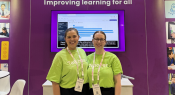
EDUtech is one of the largest and most prominent education and technology events on our calendar for 2026. Over 2 days last week, Teacher magazine’s Rebecca Vukovic and Dominique Beech were there in Sydney for the event, and in today’s podcast special they share their reflections on the sessions they attended, as well as other conference highlights.
EDUtech has just wrapped up for 2026, and the Teacher team were in Sydney for the 2-day conference to have conversations with the education community and hear from both local and international speakers. Read our insights here.
Buy-now pay-later services, pocket money apps, online scams, gambling advertising and cryptocurrency are part of some students’ everyday lives. In today’s article, 2 mathematics teachers from Marryatville High School in South Australia share how they’ve applied some of their learning from a professional development partnership into their financial literacy electives for year 9 and 10.
In this episode of School Improvement, Dominique Beech is joined by teacher Gus Humphries who tells us all about the professional learning program he developed, Questions for Thinking (Q4T). Q4T allows teachers to investigate and develop an area of their practice through a confidential partnership. In our conversation, Gus expands on the program design and the impact it's having on staff and school culture.
Professor Alex Bowers from New York joins Dominique Beech to discuss his research into school leadership types and teacher professional development needs. The conversation covers the alignment of perceptions between teachers and principals regarding school leadership, his innovative idea for re-organising how we target professional development, and more.
‘Induction and mentoring is about bringing your academic capability to life in the reality of a classroom.’ In today’s podcast, CEO of AITSL Tim Bullard joins Teacher Deputy Editor Rebecca Vukovic to talk all about improving induction for both early career teachers and school leaders.
In our latest reader submission, Dr Aylie Davidson, Lecturer in Mathematics Education at Deakin University, explains that planning for learning necessitates intellectual and collaborative effort, and outlines what an effective planning meeting for maths looks like in practice.
‘If we equip the next generation with the foundational literacies to understand how AI works, the creative confidence to build with it, and the critical judgement to know when and how it should be used, the possibilities are extraordinary.’ In this Q&A, Andrew Sliwinski, Vice President and Head of Product Experience at LEGO® Education, answers questions about computer science and artificial intelligence instruction in the classroom, and what we can do now to empower student agency in a changing world.
Participating in professional learning can be energising and inspiring, but introducing what you’ve learned into your own practice – and sustaining it over the long term – can be hard. Taking small, simple steps on a regular basis was a key feature of what endured for teachers in a recent Australian research study of music-based approaches to nurture wellbeing.
Facebook
YouTube
SoundCloud
Apple Podcasts
Spotify
RSS feed
Linkedin