A report by Evidence for Learning has provided 6 practical recommendations to improve primary science. In this article, Teacher looks at one of the 6 recommendations – developing students’ scientific vocabulary.
Looking at the content of students’ stories can give teachers an indication of what they’re interested in, as well as the issues that may be impacting their lives. Each year, Oxford University Press analyses thousands of short stories written by primary and secondary students to come up with a Children’s Word of the Year.
The PISA 2022 international results have just been announced. In this special episode we’re joined by Professor Geoff Masters, CEO of the Australian Council for Educational Research, to talk about Australia’s performance, what we could learn from top performer Singapore, and some of the education reforms taking place in other parts of the world.
In this series, we take a look at some further readings available on a particular topic, including open access research papers from various online databases, and Teacher archive content you might not have come across yet. This month, we’re looking at learning progressions for literacy and numeracy.
The Early Harvest youth publishing program, driven by creative writing centre 100 Story Building, is working with teachers to revolutionise their approach to creative writing, and support students to work towards an authentic real-world goal: contributing to an actual book! Find out how your school can get involved.
‘Deliberately planning to support students to build and use their vocabulary is critical to ensuring that students can both access the curriculum content and effectively demonstrate their understanding.’ Educational leader Michael Rosenbrock shares what this might look like in practice for maths and science teachers.
Our guest for this episode of The Research Files is Professor Anne Castles. She’s a Keynote speaker at ACER’s Research Conference next month, which is exploring how to improve continuity of learning in the first 12 years of a child’s life. We’ll be discussing some of the research on learning to read, and getting a taster of what delegates can expect from her presentation.
In our latest expert Q&A we talk to Greta Rollo, who leads the Primary Early Childhood and Inclusive Research team at the Australian Council for Educational Research (ACER), and ACER Research Fellow Dr Kellie Picker, about the place of phonics in early reading instruction.
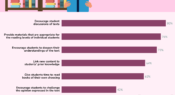
Recently released survey data from PIRLS 2021 (Progress in International Reading and Literacy Study) includes information on reading instruction strategies used in year 4 lessons. This infographic shows the percentage of Australian PIRLS 2021 students whose teachers reported using these strategies in every or almost every lesson.
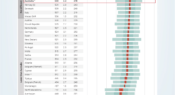
The new report, Progress in International Reading Literacy Study: Australia’s results from PIRLS 2021, reveals how the average reading performance of year 4 students in Australia compares to other countries. Find out more in today’s infographic.
Facebook
YouTube
SoundCloud
Apple Podcasts
Spotify
RSS feed
Linkedin