Filter by category
The world’s largest study on shared book reading has highlighted the importance of having books in the home. The Australian research found bringing books into the home has a significant impact on a child’s positive shared book reading habits, emerging language and literacy skills, as well as family engagement.
In Teacher’s first reader submission of 2025, Brisbane-based senior educator Jessica J Griffin reflects on her own leadership practice and philosophy, and how this has changed over the course of her career – moving beyond authority to collaboration, empathy and resilience.
Welcome back to a brand-new year of Teacher. As usual, we’re kicking things off with our round up of the key themes and dates for 2025 – that should provide some extra inspiration and resources for your lesson planning over the next 12 months.
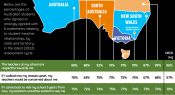
One of the topics in the Programme for International Student Assessment (PISA) student questionnaire is the quality of student-teacher relationships. This infographic looks at the responses of Australian students in the 2022 test cycle, by state and territory.
In our latest expert Q&A we’re joined by ACER Senior Research Fellow and lead author of the ‘TIMSS 2023 Australia Volume I’ report Nicole Wernert to discuss the main takeaways, and what the data say about year 4 and 8 student strengths and weaknesses in maths and science.
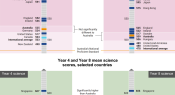
Results from the latest cycle of the Trends in International Mathematics and Science Study (TIMSS 2023) have just been released. Today’s infographic looks at the year 4 and year 8 mean scores in mathematics and science for students in Australia and selected participating countries.
Australia’s year 4 students have achieved the country’s best-ever result in a major international mathematics and science assessment, overcoming the challenges and disruption of pandemic learning in the early years of their schooling. The TIMSS 2023 results have just been released – here’s an overview of the international data and key findings for Australia.
Recent research reveals a decline in high-quality music education availability, and that music teachers are particularly vulnerable to burnout. In response to these challenges, Gradus Software has developed MusicApprentice through extensive consultation with music educators over several years.
Aspect runs autism-specific education programs in New South Wales and South Australia. In this Leadership Q&A, we speak to Joanne Tisdell – Principal of Aspect South East Sydney School – about supporting students on the autism spectrum, including curriculum content, collaborative partnerships and the design of teaching and learning spaces.
Professor Phil Roberts joins Teacher Editor Jo Earp to talk about the Rural and Regional Education Project, which explores how to lift outcomes for students in these areas. The project included a roundtable event bringing together a range of stakeholders, including the important voices of principals and teachers. We’ll be discussing some of the research findings and feedback from educators.
Facebook
YouTube
SoundCloud
Apple Podcasts
Spotify
RSS feed
Linkedin