Filter by category
Ahead of the 2026 ACEL National Conference – presented in partnership with ACER – Teacher editor Jo Earp is joined by Lisa Newland, CEO of ACEL, and Lisa Rodgers, CEO of ACER, to unpack the conference’s theme of bold leadership. Lisa and Lisa tell us about their approach to leadership, what they’ve learned over the years, and more.
‘How can schools help young people learn to use AI thoughtfully, ethically and effectively?’ In today’s article Kara Baxter – Deputy Principal, Learning and Teaching, at Strathcona Girls Grammar School in Melbourne, Victoria – shares the thinking and process behind the development of the school’s AI policy.
AI tools are becoming more embedded in students’ lives. At Teacher, we know this is an area where educators are seeking practical support and so this month, we’ve published a range of articles to help. In today’s Teacher Staffroom episode, I’ll take you through the key highlights, along with a few extra pieces you won’t want to miss.
Recently the winner of the Global Schools Prize was announced – chosen from over 3,000 nominations. Excitingly, Australia’s Larrakeyah Primary School in Darwin were named as a finalist for the prize. In this episode, Dominique Beech is joined by Fathma Mauger to hear all about the custom-built AI writing platform they were recognised for.
New research involving almost 4,000 students aged 13-18 in the UK has found many are divided over appropriate use of AI in their homework and a majority would like to see their teachers use AI in the classroom. The research also asked students and their teachers what support they would like to receive on AI. Find out more in this article.
In this episode of The Research Files, editor Jo Earp is joined by Professor Sandra Gattenhof and Dr John Nicholas Saunders who share findings from their study exploring declining enrolment numbers in year 12 arts subjects in Australia. They also talk about the implications for schools, including the arts educator pipeline, and practical supports for out-of-field teachers.
At EDUtech 2026, the Teacher team caught the Australian STEM Video Game Challenge presentation hosted by Lisa van Beeck, ACER Research Fellow and Project Director for the challenge. In this exclusive video for Teacher readers, we recorded the presentation in full. You’ll hear van Beeck walk delegates through the challenge itself and highlight the suite of teacher resources designed to support it.
EDUtech is one of the largest and most prominent education and technology events on our calendar for 2026. Over 2 days last week, Teacher magazine’s Rebecca Vukovic and Dominique Beech were there in Sydney for the event, and in today’s podcast special they share their reflections on the sessions they attended, as well as other conference highlights.
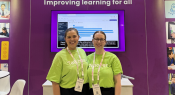
EDUtech has just wrapped up for 2026, and the Teacher team were in Sydney for the 2-day conference to have conversations with the education community and hear from both local and international speakers. Read our insights here.
In assessment, AI tools offer new possibilities for feedback while also raising important questions about quality, accuracy, teacher oversight and, crucially, whether the feedback improves the learner, not just the piece of work they’ve been tasked with completing.
Facebook
YouTube
SoundCloud
Apple Podcasts
Spotify
RSS feed
Linkedin