Jo Earp is the Editor of Teacher.
A report on the 2015 Programme for International Student Assessment (PISA) results examines trends in Australia's average performance and the change in the percentages of students considered 'high' and 'low' performers.
The PISA 2015 test results have brought more bad news for Australia’s education system with student performances in scientific, reading and mathematical literacy all in ‘absolute decline’.
Each year the Australian STEM Video Game Challenge invites students to design and create their own game. Here’s how one school integrated it into their curriculum planning.
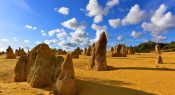
She’s been called a ‘true rockstar teacher’ – geoscientist Suzy Urbaniak has planned and led 45 Australian and international field trips. Here, she shares her tips in a Q&A with Teacher editor Jo Earp.
Educators working with deaf and hearing impaired students have reported a need for professional learning in a range of areas, including mental health, wellbeing and literacy.
Linking pre-service and classroom practitioners with experts in the real world has led to the development of resources to support maths and science teachers in Australian schools.
The National Literacy Trust (UK) annual literacy survey asks eight- to 18-year-olds about writing frequency and their enjoyment of writing. Here are some of the results and comparisons with the Trust's data on reading.
Like reading for pleasure, an enjoyment of writing has been linked to higher student achievement, but new data from the UK show children and young people’s enjoyment of writing is declining.
Australia has a gender imbalance in STEM that runs right through primary and secondary school, to tertiary study and into the workplace, according to a new paper from the Office of the Chief Scientist.
The Australian Child Wellbeing Project surveyed 5400 students in Year 4, 6 and 8, asking them about their lives and wellbeing during this crucial period. Here are some of the findings.
Facebook
YouTube
SoundCloud
Apple Podcasts
Spotify
RSS feed
Linkedin