Filter by category
A systematic review of research from the past two decades has investigated the link between leadership and learning to analyse how principals affect student learning and overall school culture. Here, we look at the skills displayed by principals that have emerged to have a positive effect on schools.
A report from Education Services Australia has outlined a range of strategies for creating a gender inclusive STEM learning environment. In this video, we outline some of the recommendations on creating a gender-neutral learning environment.
‘Let’s face it, when cooperative learning, in the form of group or teamwork appears on the classroom agenda, most students utter a groan of discontent.’ Dr Karin Oerlemans discusses the key steps to a successful experience, and how they can be supported by technology.
Jeanette Denham, a passionate secondary and primary teacher who works part-time at Ravensthorpe District High School in Western Australia, has penned a review of Pip Williams’ new book, The Dictionary of Lost Words.
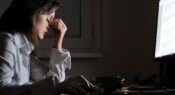
Post-traumatic stress disorder (PTSD) is a group of stress symptoms that can develop after one (or sometimes more than one) traumatic event. Dr Joanne Beames, from the Black Dog Institute, joins us today to discuss the signs and symptoms of PTSD, how prevalent it is in society, and explain ways people experiencing it can find help and support.
Considerable progress has been made in defining 21st Century skills, but curriculum implementation is the next hurdle. That was one of the messages to come out of the first webinar revisiting the ‘big five’ education challenges facing Australian schools.
Staff at Cedar College in South Australia are determined to improve the proportion of female students choosing to study Science, Technology, Mathematics and Engineering (STEM) subjects in senior high school. Here, we speak with Digital Technologies and Maths teacher Trudi Wynn about the strategies they’ve employed to entice more girls to consider studying STEM.
The findings of Australia’s annual snapshot of principal health and wellbeing have just been released. And, if you’re an educator you won’t be surprised to hear that ‘extremely long hours and constant exposure to stress’ left school leaders exhausted in 2020, as first fires, then floods, then a pandemic pushed them to their limits.
‘If it is not visible and valued, it is easy for it to become neglected.’ Nathan Curnow, Head of Science at John Curtin College of the Arts in Western Australia, shares insights into how he cares for his mental health and wellbeing.
The ability to make sound financial decisions and manage money is important, but it can also be challenging. Here, we speak to Dr Jack Noone, a Senior Research Fellow at the Centre for Social Impact at UNSW about the importance of financial wellbeing, the factors that can influence it, and the people that may find themselves most at risk.
Facebook
YouTube
SoundCloud
Apple Podcasts
Spotify
RSS feed
Linkedin