Filter by category
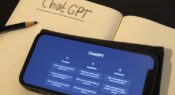
Why is everyone talking about ChatGPT? In today’s podcast special, we speak with several education experts to hear their thoughts on the potential impact of ChatGPT on teaching and learning – from assessment, to equity in education, and policy decisions. ChatGPT will also be joining us as a guest.
There is much talk about the impact that artificial intelligence-powered chatbots like ChatGPT will have on students, teachers and traditional classroom learning. But what is ChatGPT exactly? And how will it affect the way we approach assessment, issues of equity, and policy decisions in the future? In today’s article, we speak to 3 experts to find out more.
‘The default assumption has been that being a generalist is what primary school teachers prefer, or else they would have become secondary teachers.’ In our latest reader submission, Dr James Russo shares the findings of a study asking generalist early years teachers at schools in 2 Australian states if they’d rather be subject specialists.
Late last year, Matt Orchard from Apollo Bay P-12 College in regional Victoria was named winner of the 2022 Telstra ARIA Music Teacher Award. In this article, he tells us about the music program he’s run for over 20 years.
The latest winners of the annual Prime Minister’s Prizes for Excellence in Science teaching are George Pantazis from Marble Bar Primary School in Western Australia, and Veena Nair from Viewbank College in Victoria. They both join us in this episode to discuss the work they’ve been recognised for.
If you’ve moved between schools or made the transition from graduate to the staffroom, it’s likely you’ve benefited from a school-based induction program. But, what about those who may miss out because they are employed for short periods? That’s the focus of a new Australian research study.
‘[The start of the school year can] mean a challenging transition for those who struggle with stressors about returning to the classroom.’ Dr Tom Brunzell, Director of Education at Victoria’s Berry Street School, discusses lessons learned on student re-engagement and attendance that could be helpful to other schools.
In today’s expert Q&A, ACER Research Fellow Dr Amy Berry explores the challenges teachers face when engaging students in the classroom, the impact this has on students’ wellbeing and sense of belonging, and how teachers can cultivate a culture of engagement in their classrooms.
Learning Specialist Angela Myler says an understanding of the complexities of twice-exceptional students is paramount to be able to cater to their diverse learning needs, so that both disability and gifts are given the attention they deserve.
School Assembly is the podcast that explores what it takes to build a new school from the ground up. In Series 1 we’re following Principal Dr Ray Boyd and Associate Principal Rachael Lehr as they navigate the exciting and challenging journey in Western Australia. It’s the start of the school year and Dayton Primary School is about to open its doors to the first students. Episode 6 is all about building the foundation staff.
Facebook
YouTube
SoundCloud
Apple Podcasts
Spotify
RSS feed
Linkedin