Filter by category
‘Last year offered school leadership teams, amongst other things, the chance to reflect on the hows and whys of education.’ Leon Furze, Director of Learning and Teaching, shares how the leadership team at Monivae College in regional Victoria has made significant changes to the Year 9-12 curriculum.
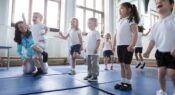
‘Health and Physical Education (HPE) is fundamental for supporting young people to develop the skills and knowledge that will enable them to engage in lifelong health, movement and physical activity behaviours. Ensuring all young people have the opportunity to develop this knowledge is a crucial responsibility for all physical educators.’ Dr Laura Alfrey and Professor Ruth Jeanes share practical strategies for promoting inclusion in HPE.
‘Over the Christmas break last year, I decided to commit myself to being active every day for at least 28 days in a row so that I could develop a healthy habit.’ Tamara Smith from St Mary’s Memorial School in South Australia shares how she began walking every day and the positive effect it’s had.
Primary school educator Gary Romeo shares his book review of If You Build It…, a memoir by American actor Dwier Brown, which delves into themes of fate and family relationships.
We know what it means to be kind and compassionate towards others, but practicing self-compassion can be something that many people struggle with. So, what is self-compassion? And, what impact does it have on our overall health and wellbeing? We speak to Dr Judy Pickard from the University of Wollongong to find out more.
Getting students engaged and invested in their learning leads to improved outcomes. It also makes the lesson a more enjoyable experience for everyone, including the teacher. Enhanced lesson engagement was just one of the benefits of a small-scale study focusing on quality teaching in Physical Education.
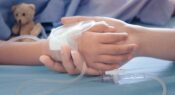
Children with a chronic health condition perform below the basic academic requirements in literacy and numeracy when compared to their peers, a study of more than 397 000 children in New South Wales has found.
How effectively do you think you’re delivering Indigenous content in the curriculum? Would you say you have enough knowledge and confidence in this area? A program established by the University of New South Wales’ Matraville Education Partnership is looking to address these two areas of teacher practice.
A quarter of Australians aged 15 years and over participated in unpaid voluntary work through an organisation in 2020, whilst almost half provided unpaid work or support to others outside their households. In today’s article we speak to Dr Darja Kragt from the University of Western Australia about why people are motivated to volunteer their time, and how it boosts their overall sense of wellbeing.
As COVID-19 vaccination rates increase and schools here in Australia and around the world return to on-site learning, teachers and students will need to reestablish face-to-face relationships and routines, take time to reflect on their home learning experiences and think about where to from here. Dr Gail Brown and Dr Carl Leonard offer some advice and questions for reflection in today’s reader submission.
Facebook
YouTube
SoundCloud
Apple Podcasts
Spotify
RSS feed
Linkedin