Filter by category
Students have a diverse range of personal and contextual factors that influence their access to and achievement in their education. A new global study calls for a re-evaluation of education systems to promote personalised education.
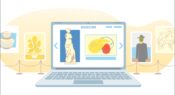
What is involved in moving museum content online for educational purposes? What are the benefits? What are the challenges? In this Q&A, we speak with Melina Mallos, former Education Manager at the Museum of Chinese Australian History, about the process of digitising museum content.
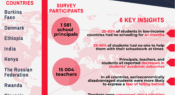
The Responses to Educational Disruption Survey (REDS) explores how the pandemic has impacted lower secondary education, investigating how 11 countries approached the challenge of ensuring continuity in teaching and learning during the disruption. Find out more about insights from the survey in today's infographic.
‘Long gone is the traditional view of a museum as being static and dusty. Contemporary museums promote interactive exhibits, experiential learning experiences and technological “open” accessibility.’ Dr Deb Cohen explains how teachers can use museum education programs to support classroom learning.
As we’ve seen demonstrated time and time again over the past two years, school communities have been innovative with their technology use to ensure a continuity of learning for students throughout the disruptions to school. In this podcast, we get you up to speed on some recent examples of how technology is supporting schools in Australia and beyond.
The two most recent winners of the Prime Minister’s Prizes for Excellence in Science Teaching join us in this podcast. They each share how they’re improving student outcomes in their own school settings and their top tips for other Science teachers across the country.
If you’re in a co-education school, look at student enrolments for STEM subjects and participation in STEM-related clubs and extracurricular activities – is there a gender imbalance? A new report shares global examples of effective interventions from primary and secondary education settings.
Getting ready to start teaching in the classroom, managing student behaviour and meeting with parents can be a daunting prospect for many pre-service teachers. Researchers at the University of Virginia have spent the last five years developing digitally mediated simulations to supplement traditional teacher training.
Financial technology developments such as cashless transactions and in-game purchases, and risks such as scam emails and texts warrant teaching about. Carly Sawatzki, Jill Brown and Peter Saffin ask: ‘In what ways are your students financially active, and how is your school preparing them for informed financial participation?’
In his first Teacher column of the year, OECD Director for Education and Skills Andreas Schleicher discusses the Trends Shaping Education report, which examines the major economic, political, social and technological trends affecting education.
Facebook
YouTube
SoundCloud
Apple Podcasts
Spotify
RSS feed
Linkedin