There’s nothing quite like losing yourself in a good book. But, did you know that reading for enjoyment is also associated with higher academic achievement?
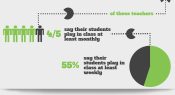
How are digital games being used in K-8 classrooms? Find out in this Teacher infographic.
Professor Geoff Masters discusses recent developments in assessing student learning and how they will shape the future of assessment.
Analysis of philanthropic contributions to education by the world’s largest firms has revealed Australian companies place a great emphasis on community and employee engagement.
Christine Haynes reviews a robot construction kit, and discusses why robotics still appeals to tech-savvy teachers.
Mal Lee zeroes in on the consequences of a segmented school, and explains why school leaders must focus on creating an integrated school ecology based on the digital.
Across many professional areas there has been a surge of interest in Big Data, but what's the relevance of Big Data in education? Dr Michael Timms discusses.
Teacher speaks to principal Jenny Dowsett, who shares strategies that are raising numeracy outcomes for students at her primary school.
Teaching mathematics using a problem solving approach requires preparation if it is going to work. So, how do you go about it? Dave Tout outlines one possible process.
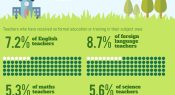
Teachers are at times being allocated to subjects for which they have received no formal education or training. What is the extent of the problem in Australia? Find out in this Teacher infographic.
Facebook
YouTube
SoundCloud
Apple Podcasts
Spotify
RSS feed
Linkedin