Filter by category
This month’s edition of Researching Education: Five further readings explores media literacy. We’ve gathered five further readings available on this topic, including two recent research reports looking into the challenge of media literacy education.
Dr Emily Berger, an educational and developmental psychologist at Monash University, joins The Research Files to talk about some of the common principles of trauma informed practice in schools, including the importance of consistency, possible triggers for students, and helping them to regulate their emotions.
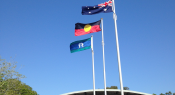
Maclean High School has a strong commitment to reconciliation and a proud history of developing deep, ongoing relationships with local Elders and community members. This was recognised in late-2019 when they were named winners of the Narragunnawali Awards from Reconciliation Australia in the schools category.
When seeking ways to improve students’ academic outcomes, sometimes teachers and school leaders fail to ask for input from those who can offer perhaps the most important perspective – the students themselves.
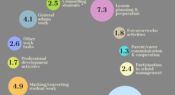
The OECD Teaching and Learning International Survey (TALIS 2018) asked teachers about their working hours. Today’s infographic shows how the weekly workload – including evenings and weekends – for teachers in Australia is split between different tasks.
Assumption College in Kilmore has been implementing a curriculum reform initiative called ‘myMAP’ for the beginning of the 2020 school year. In today’s Q&A, Vaughan Cleary, Deputy Principal of Learning and Teaching, explains how it works in practice and supports students on their individual learning journeys.
Choosing the correct level of senior school mathematics can boost a student’s chances of doing well in the first year of maths and science courses at university. That’s one of the takeaways from a new Australian study.
In our latest reader submission, US high school teacher Dr Keith Mason explains how integrating school musicals into your curriculum planning can provide opportunities for linked and themed learning activities in multiple subject areas.
What advice would you offer to your peers, thinking about your experience as an educator? We put this question to you in our annual reader survey. Today’s infographic looks at some of the responses we received on the topic of collaboration.
The Association of Independent Schools New South Wales (AISNSW) has been working with 38 of its schools on a targeted early years program that aims to help students in Kindergarten to Year 2 master key literacy and numeracy skills.
Facebook
YouTube
SoundCloud
Apple Podcasts
Spotify
RSS feed
Linkedin