Filter by category
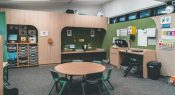
‘Neuro-affirming practice requires us to genuinely examine our assumptions, our language, our pedagogical decisions, and our classroom design.’ In this StoryBoard article, Monash University shares how small adjustments and intentional shifts in how educators design learning environments, build relationships, and respond to learner differences can make a big difference.
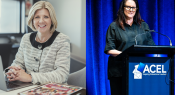
Ahead of the 2026 ACEL National Conference – presented in partnership with ACER – Teacher editor Jo Earp is joined by Lisa Newland, CEO of ACEL, and Lisa Rodgers, CEO of ACER, to unpack the conference’s theme of bold leadership. Lisa and Lisa tell us about their approach to leadership, what they’ve learned over the years, and more.
NAIDOC Week is an annual celebration that honours the cultures, histories and achievements of Aboriginal and Torres Strait Islander peoples. In today’s article, we explore the 2026 theme 50 Years of Deadly, share links to the free resources that have been developed for teachers, and highlight 3 schools around the country who are celebrating NAIDOC Week in their own unique way.
A collaborative study involving Aboriginal Elders, families, educators and children across 3 urban schools in Perth, Western Australia, is working to deepen Aboriginal children’s understanding of, and pride in, who they are by strengthening their connections to culture, Country and kin. Professor Cheryl Kickett-Tucker from Curtin University tells us all about the Moombaki Cultural Learnings Project and the impact it is having on Aboriginal students.
Climate-related content appears across the curriculum and teaching it can come with an added layer of emotional complexity. A new study published in the Australian Journal of Education (AJE) shines a light on how primary and secondary teachers are responding to eco-anxiety in their own classrooms, including where they need more support.
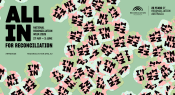
It’s National Reconciliation Week this week – a time for Australia to consider how we can all contribute to reconciliation in our country. In this Q&A, Reconciliation Australia highlights why this week matters, curriculum resources available for schools, and how you can keep the momentum going beyond National Reconciliation Week.
More than a competition, Trop Jr is a rich learning experience that supports curriculum outcomes while strengthening creative confidence and student agency. Find out more about Trop Jr, the benefits, and free classroom resources for Years 5 to 10, including a Teacher Guide to support planning, assessment and curriculum alignment, in this article.
Media and Artificial Intelligence Literacy (MAIL) has been announced as the innovative domain for PISA 2029. The OECD has already released the first draft framework, offering an early understanding of how media literacy and AI literacy intersect and link to other curriculum areas, the key concepts and big ideas, and how to nurture the related competences.
Although often associated with a new school year, transitions occur throughout the school day and across each term. Anna Brady – principal at autism-specific school Aspect Vern Barnett School – shares how each term begins with a deliberate re‑establishment of routines, expectations and supports, and the positive impact on students.
In this exclusive extract from his new book The Children We Leave Behind: How School Could Be Done Differently, former Australian Council for Educational Research CEO and Teacher columnist, Professor Geoff Masters AO shares details of the Fremantle Fast Track Program – an alternative, senior secondary education program in Western Australia.
Facebook
YouTube
SoundCloud
Apple Podcasts
Spotify
RSS feed
Linkedin