Filter by category
The evolution of the teacher-controlled learning environment to include more self-directed online education has highlighted the need for students to develop self-regulated learning skills.
Staff at a Queensland school have developed and implemented a cross-curricular framework. Here, they share examples of topic planning.
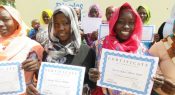
Teacher recently brought you news of the six WISE (World Innovation Summit for Education) Award winners for 2016. Today we take a look at the other nine projects that made it onto the shortlist.
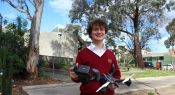
This school in Melbourne explains how instead of simply having ‘a cool bit of kit’, they’re using their new drone to engage students in real world science research.
Each year the WISE (World Innovation Summit for Education) Awards give a shout out to projects that have succeeded in addressing educational challenges. Here’s a look at the six winners for 2016.
Robust classroom discussions require careful planning, clear purpose, strong question design, and meaningful connections to ensure they have a lasting impact beyond the classroom.
Are teachers ever influenced by bias when it comes to grading student work? This is the focus of a new report from researchers at the University of New England. Professor John Malouff joins Teacher to discuss the findings.
Teacher attrition and retention continues to be a problem for education systems around the world. Two studies published this month in Australia and the UK shed further light on the issue.
In this three-part series, a Queensland educator shares how her school developed a cross-curricular framework – including how they approached the task and the impact on staff and students.
Our annual Teacher survey asked readers the question: ‘Looking back on your experience as an educator, if you could share one piece of advice with your peers, what would it be?’ Here’s a selection.
Facebook
YouTube
SoundCloud
Apple Podcasts
Spotify
RSS feed
Linkedin