Filter by category
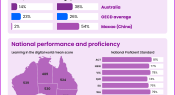
The Programme for International Student Assessment (PISA) shows how well 15-year-olds can apply their knowledge and skills in science, reading and mathematics to real-world situations. In addition to the 3 core domains, an innovative domain important in modern societies is included in each test cycle. In 2025 the innovative domain was ‘Learning in the digital world’. This infographic shares Australia’s performance in an international context.
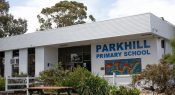
‘We are, as our staff and students say, building a culture of excellence where every learner can thrive, and this year we have the data to prove it.’ In today’s article, Jo Jolly – Principal at Parkhill Primary School in Melbourne, Victoria – shares details of the journey the school has been on for the past 3 years to shift culture and improve student outcomes.
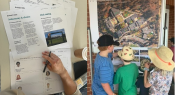
‘Tour a school and you’ll likely see many classrooms displaying finished student work … perfection is visible; process is private. … The Thinking Museum is a classroom routine that makes intellectual growth visible, celebrated, and unforgettable.’ Find out more in our latest reader submission from K-12 teacher Varun S Nair.
In case you missed it, the PISA 2025 results were recently released. As is always the case, there is plenty to digest. This month at Teacher, we’ve shared insights from many experts to begin to unpack the results. In this episode of Teacher Staffroom, we catch you up.
Recorded live at the National Education Summit in Melbourne, Teacher’s Deputy Editor Rebecca Vukovic is joined by Jonathan Heard, a Research Fellow at the Australian Council for Educational Research for this School Improvement episode. They discuss the importance of having a shared definition on what critical thinking is, the connection between critical thinking and information literacy, and provide some key takeaways for teachers, teacher librarians and school leaders.
To complement the widely adopted Driving School Improvement books by Pamela Macklin and Vic Zbar, the new Driving School Improvement Workbook offers school leaders a practical framework for turning improvement plans into action. This extract for Teacher readers is taken from a chapter on knowing you are making a difference.
Following the release of the PISA 2025 results last week, Dominique Beech is joined by Dr Jonas Bertling, Research Director of ACER Implementation and Reporting and co-author of the report sharing Australia’s PISA 2025 results, to unpack the 2025 findings and the implications for educators.
‘PILNA helps countries see not only whether students are meeting expected levels, but also the conditions that support or constrain learning.’ The latest results from the Pacific’s largest regional education assessment point to encouraging signs of recovery in student learning, while also identifying key areas where further improvement is needed.
‘Our research shows aspirations for school community engagement in the design of school outdoor spaces are high. … And yet, for many re-designs to schoolyards, engagement does not happen.’ In this article, Hannah Richardson from the University of Canberra shares 3 simple activities for engaging students in schoolyard design.
While the term ‘middle leadership’ can mean different things in different school contexts, we know the role of middle leaders is important in supporting both student outcomes and teacher practice. In today’s article, we share 5 open-access resources on the topic of middle leadership.
Facebook
YouTube
SoundCloud
Apple Podcasts
Spotify
RSS feed
Linkedin